Introduction to Tokyo: A City of Tradition and Innovation
Welcome to Tokyo, a metropolis that feels like a living, breathing paradox. If you are asking what is in Tokyo, Japan, the answer is everything you have ever imagined and a thousand things you haven’t. As we move through 2026, Tokyo remains the ultimate global destination, a place where the futuristic skyline of Shinjuku coexists perfectly with the ancient incense smoke of Asakusa. For many international travelers, arriving in Tokyo is like stepping onto a film set. The city is a sprawling network of neighborhoods, each with its own distinct personality, making it a place you could explore for a week or a month and still feel like you have only scratched the surface.
Tokyo is the capital of Japan and serves as the heart of the nation’s culture, business, and innovation. It is a place where you can ride a high-speed bullet train in the morning and find yourself in a quiet, wooden Shinto shrine by the afternoon. The beauty of Tokyo lies in its layers. You see it in the architecture, where glass skyscrapers reflect 19th-century gardens. You feel it in the service, or omotenashi, where every guest is treated with exquisite care. Whether you are here for the world-class food, the vibrant art scene, or the sheer energy of the world’s busiest pedestrian crossing, Tokyo promises an adventure that is both safe and exhilarating.
For those planning their first trip or returning to see what is new in 2026, this guide is designed to help you navigate the transit, choose the best restaurants, and discover the hidden treasures that make this city so special. From the neon lights of Akihabara to the tranquil paths of Meiji Jingu, let’s begin our journey through the greatest metropolis on Earth.
Must-Visit Attractions and Landmarks
When you first arrive in Tokyo, the scale of the city can be overwhelming. To help you plan your itinerary, let’s look at the iconic spots that define the skyline and the history of Japan’s capital.
Tokyo Tower and Tokyo Skytree
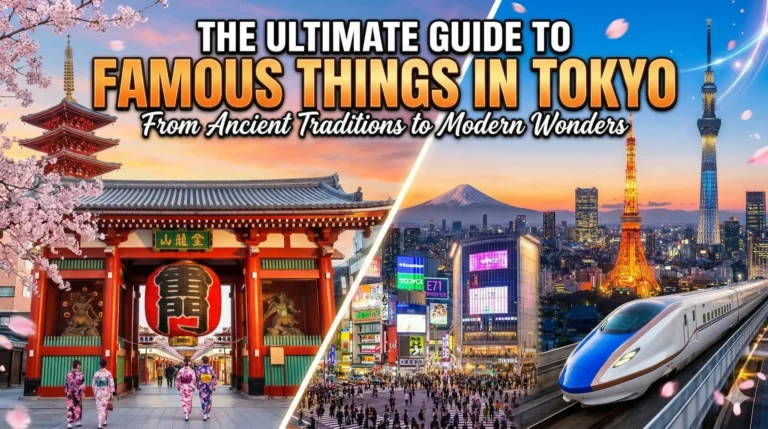
One of the first questions visitors ask is where to get the best view of the city. Tokyo Tower, inspired by the Eiffel Tower and painted in vibrant white and orange, is a symbol of Japan’s post-war rebirth. Located in the Minato area, it offers a classic romantic view of the skyline. However, if you want to head higher, the Tokyo Skytree in Sumida is currently the tallest structure in Japan. The observation decks here provide a breathtaking 360-degree view that, on a clear day, allows you to see all the way to Mt. Fuji. Both sites are essential for any travel blog photo collection.
The Imperial Palace (Kokyo)
Located in the central Chiyoda ward, the Imperial Palace is the primary residence of the Emperor of Japan. While the inner grounds are generally closed to the public except for specific guided tours, the East Garden is open year-round and offers a peaceful escape from the concrete jungle. Walking along the massive stone walls and moats, you can feel the history of the Edo period, when this site was the location of Edo Castle, the seat of the Tokugawa shogunate.
Sensō-ji Temple and Asakusa
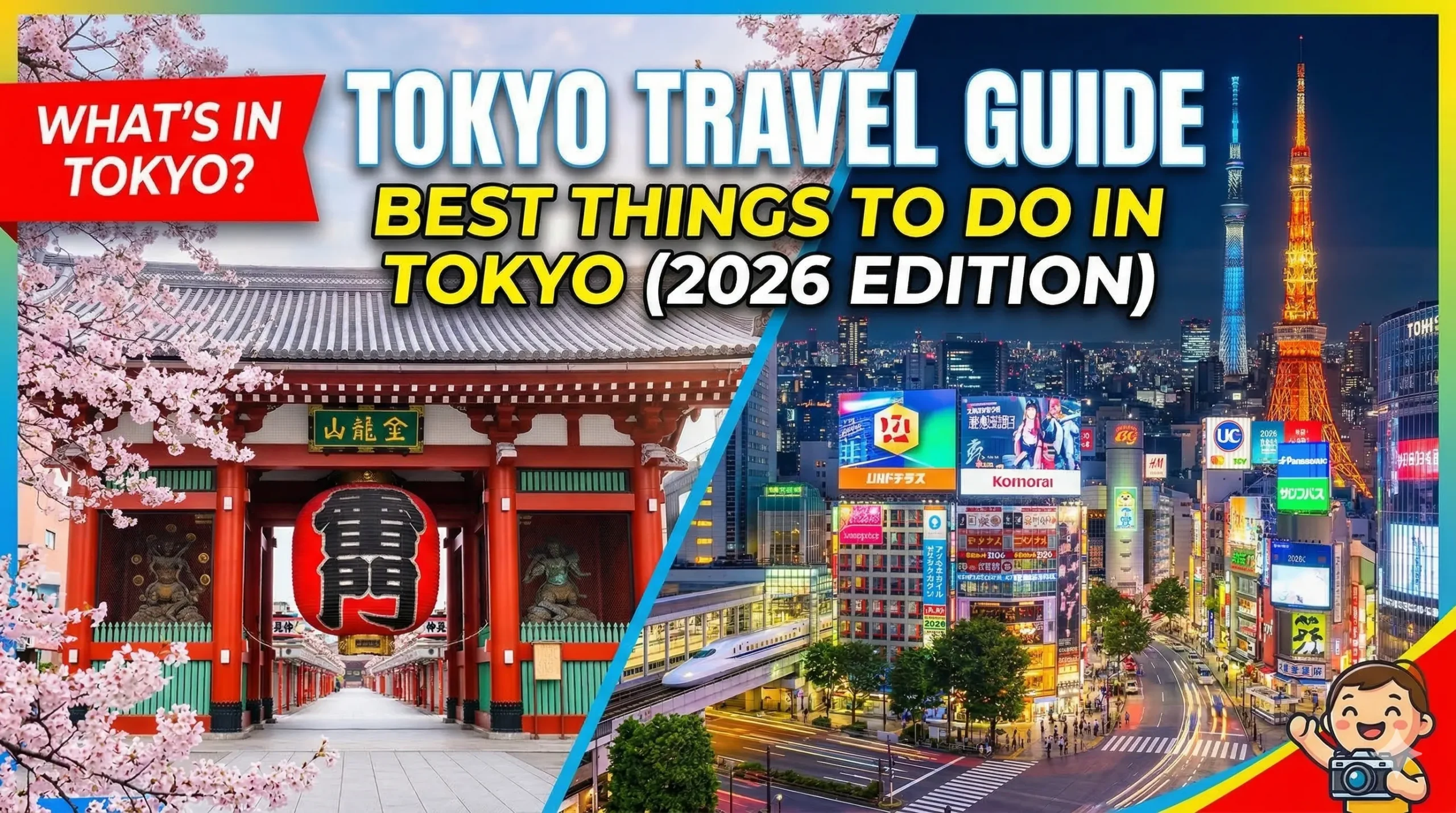
No trip to Tokyo is complete without visiting Asakusa. This area retains the atmosphere of an older Tokyo. The centerpiece is Sensō-ji, the city’s oldest temple, dedicated to Kannon, the Buddhist goddess of mercy. Entering through the Kaminarimon (Thunder Gate), you will walk down Nakamise-dori, a bustling shopping street where you can buy traditional snacks, folding fans, and beautiful kimonos. It is a sensory experience filled with the scent of roasted rice crackers and the sound of temple bells.
Ueno Park and Museums
Ueno Park is a massive green space that houses several of Japan’s most important museums. The Tokyo National Museum is a must-visit for history buffs, featuring an incredible collection of samurai armor, ancient pottery, and silk scrolls. Nearby, the National Museum of Nature and Science and the Tokyo Metropolitan Art Museum offer rotating exhibitions that attract visitors from all over the world. In the spring, the park becomes one of the busiest spots in the city for cherry blossom viewing.
Unique Experiences: From Digital Art to Traditional Culture
Beyond the landmarks, Tokyo is about the experiences that challenge your senses and broaden your understanding of Japanese culture.
Digital Art: teamLab Borderless and Planets
Tokyo has become the world leader in digital art, thanks to the creative collective teamLab. In 2026, their installations in places like Azabudai Hills and Toyosu continue to be the most sought-after tickets in town. These are not just museums; they are immersive environments where art moves across the walls and reacts to your presence. It is a futuristic experience that perfectly captures Tokyo’s reputation for innovation and design.
The Thrill of Sumo Wrestling
If your visit aligns with one of the grand tournaments (held in January, May, and September), heading to the Ryogoku Kokugikan to watch sumo is an unforgettable experience. The power, the ritual, and the ancient traditions of these athletes are a sight to behold. Even outside of tournament months, you can often book a private tour to visit a sumo stable and watch a morning practice session.
Traditional Entertainment: Experience the Magic of Asakusa Kaguwa
While Tokyo offers plenty of modern thrills, there is something deeply moving about witnessing the Japanese performing arts. This is where Asakusa Kaguwa becomes a highlight of your trip. Located just a 6-minute walk from Asakusa Station, Asakusa Kaguwa offers a captivating Japanese-style show theater that will leave every guest deeply impressed.
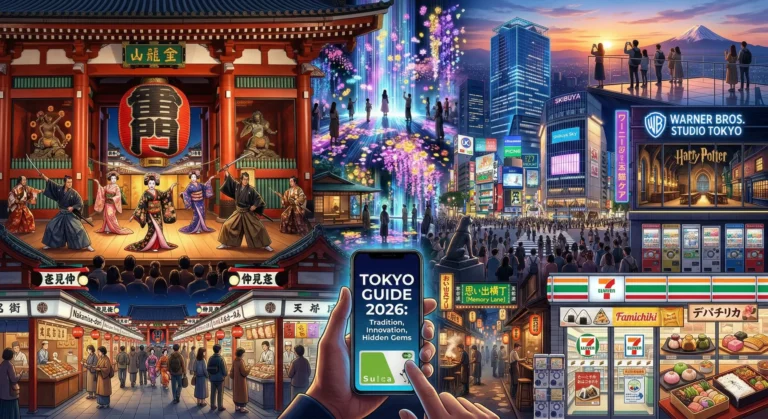
Step into a world where professional performers, adorned as enchanting oiran (courtesans), graceful geisha, and powerful samurai warriors, bring Japanese performing arts to life. The 60-minute show features a variety of acts, including stunning dances and thrilling samurai sword fighting, all presented on a magnificent stage. What makes this experience unique is that it is a non-verbal show. You don’t need to understand Japanese to feel the emotion, the action, and the artistry. It is a bridge between the Edo period and the modern era, making it a recommended stop for families, couples, and solo travelers alike. After a day of exploring the shrines of Asakusa, there is no better way to spend your night than being mesmerized by this high-energy, authentic spectacle.
Tsukiji and Toyosu: The Heart of Japanese Cuisine
For a different kind of cultural immersion, head to the fish markets. While the famous fish inner market auction moved to the new Toyosu facility, the Tsukiji Outer Market remains a lively maze of narrow streets. Here, you can find small restaurants and stalls selling every manner of fish, including delicacies like sea urchin straight from the shell, world-famous tuna, and various types of crabs. It is a place where the local food culture is on full display every morning.
Tokyo Food Guide: Sushi, Ramen, and Beyond
If you are wondering what is in Tokyo that draws millions of visitors every year, the answer is often found on a plate. Tokyo is arguably the culinary capital of the world, boasting more Michelin stars than any other city. However, you don’t need to visit an expensive, high-end restaurant to have an exquisite meal. The food culture here is built on a foundation of fresh ingredients, seasonal variety, and a relentless pursuit of perfection.
The Sushi Experience
Sushi in Tokyo is an art form. For many travelers, the first stop is the Tsukiji outer market or the newer Toyosu facility. In these areas, you can find small shops where the chef serves the catch of the day, sliced with surgical precision. If you are looking for a more formal dining experience, Ginza is the place to head. Here, legendary restaurants serve Edomae-style sushi, where each piece of fish is treated to bring out its maximum flavor. For those on a budget, don’t skip the conveyor belt sushi (kaiten-zushi) spots in Shibuya or Shinjuku. They offer great quality at a fraction of the price, and the ordering systems are usually available in English.
Ramen: The Soul of the City
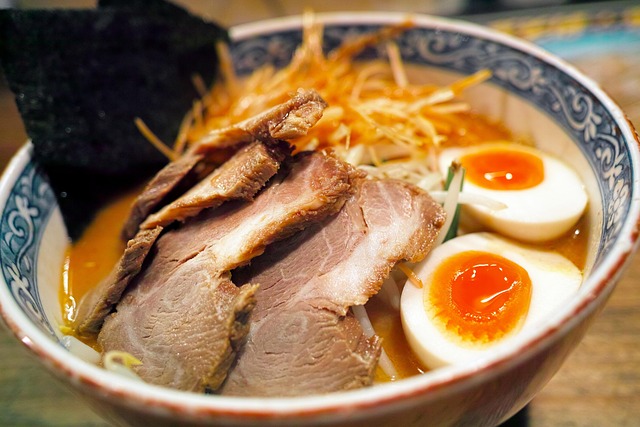
Ramen is the ultimate comfort food for locals and visitors alike. Each neighborhood has its own specialty. In Ikebukuro, you might find thick, rich tonkotsu (pork bone) broth, while in the Ogikubo area, a lighter, soy-based shoyu ramen is the tradition. If you are feeling adventurous, visit the Ramen Street inside Tokyo Station. The process is simple: buy a ticket from the vending machine, hand it to the staff, and enjoy a bowl of noodles that has been crafted over hours of simmering.
Izakaya and Nightlife Dining
To eat like a local, you must visit an izakaya. These are Japanese pubs where people go to drink beer or sake and share small plates of food. Popular dishes include yakitori (grilled chicken skewers), gyoza, and sashimi. Shinjuku’s Omoide Yokocho, often called Memory Lane, is a narrow alley filled with tiny stalls where you can sit inches away from the grill. The atmosphere is lively, smoky, and incredibly atmospheric. It is the perfect place to start your night before heading to a show or a bar.
Unique Flavors and Sweets
Don’t forget to try the seasonal flavors that Tokyo offers. In the spring, everything from lattes to rice cakes is flavored with cherry blossom (sakura). In the autumn, you will see chestnuts and sweet potatoes everywhere. For a modern twist, the cafes in Harajuku offer some of the most Instagram-friendly desserts in the world, from towering crepes to colorful cotton candy. If you prefer something more traditional, visit a tea house in a garden like Rikugien to enjoy matcha and wagashi (Japanese sweets) while looking at the pond.
Exploring Tokyo’s Neighborhoods: From Neon Lights to Historic Alleys
Tokyo is not just one city; it is a collection of unique centers, each with its own heartbeat. To truly explore Tokyo, you need to spend time in each of these major hubs.
Shibuya: The Pulse of Youth and Fashion
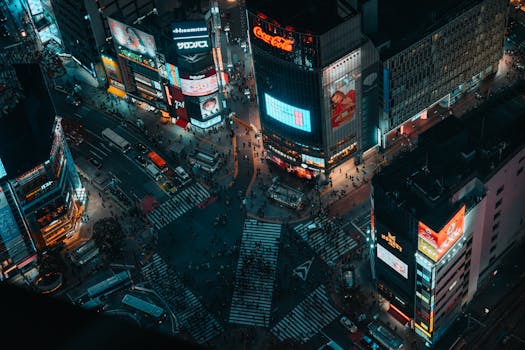
Shibuya is home to the famous scramble crossing, where thousands of people cross the street at once under the glow of massive video screens. It is the center of Japanese youth culture. Thousands of people weave through each other in a choreographed chaos every few minutes. Beyond the crossing, you can find the statue of Hachiko, the loyal dog, which serves as a popular meeting spot near the station. For the best photo, head up to Shibuya Sky, an observation deck offering a panoramic view of the skyline. If you are looking for fashion, the streets of Jinnan and the Shibuya 109 building offer everything from trendy streetwear to high-end design. It is a place where innovation and tradition meet; you can visit a tiny, historic shrine tucked between two massive department stores.
Shinjuku: Skyscrapers and Secret Alleys
Shinjuku Station is the busiest train station in the world, handling millions of passengers daily. This area is a microcosm of Tokyo itself. To the west, you have the Tokyo Metropolitan Government Building, where you can enjoy free views of the city from the 45th floor. To the east lies the neon-drenched entertainment district of Kabukicho and the atmospheric Golden Gai, a collection of over 200 tiny bars packed into narrow alleys. For a quiet moment, Shinjuku Gyoen National Garden provides a sprawling green space that is especially beautiful during the cherry blossom season in late March and early April.
Asakusa: A Journey Back in Time
As we discussed earlier, Asakusa is where you go to find the soul of old Tokyo. Walking through the gates of Senso-ji feels like traveling back to the Edo period. But Asakusa is not just about the past; it is a vibrant center for culture and performance. After you have explored the temple and finished your shopping on Nakamise-dori, you are in the perfect position to experience the local nightlife.
Asakusa Kaguwa is the jewel of this neighborhood’s entertainment scene. It offers a bridge between the historical charm of the area and the high-energy excitement of modern stage production. Because it is located just minutes from the main station, it fits perfectly into an afternoon or evening spent exploring this historic district. Whether you’ve spent the day on a river cruise or visiting the nearby Tokyo Skytree, ending your day in Asakusa with a professional show of samurai and oiran is the ultimate way to cap off your visit.
Akihabara: The Electric Town
For fans of anime, manga, and electronics, Akihabara is a dream come true. The streets are lined with multi-story buildings dedicated to gaming, rare collectibles, and the latest gadgets. Even if you aren’t a huge fan of anime, the sheer scale of the neon signs and the specialized shops makes it a fascinating place to walk through. It is also the best place to find unique Japanese stationery and high-tech souvenirs to take home.
Harajuku and Omotesando: Kawaii and Classy
Harajuku is famous for Takeshita Street, the birthplace of many “kawaii” trends. Here, you will find wild fashion, colorful snacks, and a young, energetic crowd. Just a short walk away is Omotesando, well known for its high fashion. This wide, tree-lined avenue is home to flagship stores for the world’s most famous designers and some of the most beautiful architecture in the city. Next to these two areas lies Meiji Jingu, a forest-like shrine dedicated to Emperor Meiji, providing a tranquil contrast to the fashion-forward streets nearby.
Ginza: Sophistication
Ginza is Tokyo’s answer to Fifth Avenue or Bond Street. Here, you will find exquisite department stores, flagship luxury brands, and some of the finest art galleries in the country. On weekends, the main street of Ginza is closed to cars, turning it into a beautiful pedestrian mall where you can stroll and enjoy the refined atmosphere.
Day Trips from Tokyo: Exploring the Kanto Region
While there is enough in the city to keep you busy for weeks, some of the most beautiful treasures of Japan are located just a short train ride away. Taking a day trip allows you to see the natural beauty and deep history that lies beyond the urban sprawl.
Mt. Fuji and Hakone: The Iconic Peak
No trip to Japan is complete without a glimpse of Mt. Fuji. Hakone is one of the most popular destinations for a day trip because it offers great views of the mountain, volcanic hot springs (onsen), and a beautiful lake. You can ride the Hakone Ropeway over active sulfur vents, take a pirate ship cruise across Lake Ashi, and visit the Hakone Open-Air Museum. It is a perfect way to experience Japan’s nature without traveling too far from Tokyo.
Kamakura: The Coastal Zen
Often referred to as the “Kyoto of Eastern Japan,” Kamakura was once the political capital of the country. It is famous for the Great Buddha (Daibutsu), a massive bronze statue that stands outdoors against the sky. The town is filled with ancient temples, bamboo groves, and hiking trails that lead to hidden shrines. Because it is located on the coast, you can also enjoy the beaches of Enoshima, making it an ideal summer destination for families and solo travelers.
Nikko: Shrines in the Forest
To the north of Tokyo lies Nikko, a UNESCO World Heritage site known for its incredibly ornate shrines and stunning autumn colors. The Toshogu Shrine, dedicated to the founder of the Tokugawa shogunate, is a masterpiece of wood carving and gold leaf. Surrounded by towering cedar trees and misty mountains, Nikko offers a spiritual and tranquil atmosphere that feels worlds away from the busy streets of Shibuya or Shinjuku.
Yokohama: The Waterfront Metropolis
Just 30 minutes south of Tokyo, Yokohama is Japan’s second-largest city. It features a beautiful waterfront area called Minato Mirai, a massive Chinatown with hundreds of restaurants, and the Sankeien Garden, which features historic buildings moved from across Japan. It’s an easy, accessible trip for those who want to see a slightly different side of Japanese urban life.
Planning Your Excursion
When planning these trips, the Japan Rail Pass or regional passes like the Hakone Free Pass can save you a significant amount of money. Most of these destinations are reachable within 60 to 90 minutes by express train or Shinkansen, making them a stress-free addition to your Tokyo itinerary.
Practical Information: Transportation, Accommodation, and Itinerary
Planning a trip to a metropolis of 14 million people requires a bit of strategy. To make the most of your time in Tokyo, Japan, you need to understand the rhythm of the city and the systems that keep it moving.
Navigating the Transit Network
The Tokyo train and subway system is legendary for its punctuality and reach. For most travelers, the JR Yamanote Line—a circular loop that connects major hubs like Shinjuku, Shibuya, Tokyo Station, and Ueno—will be your best friend. To make travel seamless, download a digital transit card like Suica or Pasmo to your smartphone. This allows you to tap in and out of stations, and even pay for drinks at vending machines or snacks at convenience stores (konbini).
If you plan on taking several day trips to places like Hakone or Nikko, consider the Japan Rail Pass, though for travel strictly within the city, individual fares or a 24-hour Tokyo Subway Ticket are often more cost-effective. Trains generally run from 5:00 AM until midnight, so keep an eye on the time if you are out enjoying the nightlife!
Choosing the Right Accommodation
Tokyo offers a wide range of stay options to fit any budget.
- Luxury Hotels: Areas like Marunouchi and Roppongi house world-class hotels with exquisite views of the Tokyo Tower or the Imperial Palace.
- Business Hotels: Chain hotels like APA or Toyoko Inn provide small, clean, and functional rooms at a great price, usually located very close to major stations.
- Traditional Ryokan: While more common in Kyoto, you can find beautiful ryokans in Asakusa if you want to experience sleeping on tatami mats and sliding paper doors.
- Capsule Hotels: For a unique Japanese experience (and to save money), try a capsule hotel in Shinjuku or Shibuya. It is perfect for solo travelers.
A Sample 5-Day Itinerary
- Day 1: Arrive at Narita or Haneda Airport, head to your hotel, and explore the neon lights of Shinjuku in the evening.
- Day 2: Morning visit to Meiji Jingu Shrine, afternoon shopping in Harajuku and Omotesando, and evening at the Shibuya Scramble Crossing.
- Day 3: Cultural immersion in Asakusa. Visit Senso-ji Temple in the morning, enjoy a traditional lunch of tempura or unagi, and spend your evening at Asakusa Kaguwa for a spectacular samurai and oiran show.
- Day 4: A day trip to Mt. Fuji or Hakone to see the natural beauty of the Kanto region.
- Day 5: Early morning visit to the Toyosu Fish Market, followed by a sophisticated afternoon in Ginza or a subculture tour of Akihabara.
Essential Tips for Travelers
- Connectivity: Rent a pocket Wi-Fi or buy an eSIM before you arrive. Google Maps is essential for navigating the complex station layouts.
- Cash is still used: While many places now accept cards and IC cards, small shops and some shrines still require yen in cash.
- Manners: Avoid eating while walking and remember that talking on the phone inside trains is considered rude. The city is famous for being incredibly safe and clean, so let’s help keep it that way!
Conclusion: Why Tokyo Should Be Your Next Destination
Tokyo is a city that never stops giving. It is a place where you can find the world’s most advanced technology right next to a centuries-old tradition. It challenges your perceptions and rewards your curiosity at every turn. From the first bite of world-class sushi to the final bow of a samurai on stage in Asakusa, the experiences you have here will stay with you for a lifetime.
As we look toward the rest of 2026, Tokyo remains a beacon of culture, safety, and excitement. Whether you are a solo adventurer, a couple on a romantic getaway, or a family looking for fun, this city has a place for you.
Before you finish your travel planning, remember that the best memories are often the ones where you see something truly unique. When you are in the Asakusa area, don’t miss the chance to visit Asakusa Kaguwa, a vibrant, energetic celebration of Japanese history and art that bridges the gap between the old world and the new. It is the perfect final touch to an unforgettable Tokyo adventure.
Pack your bags, bring your appetite, and get ready to discover the magic of Japan’s capital. We can’t wait to see you here!
Frequently Asked Questions: Deep Dive into Your Tokyo Journey
Q: How can I effectively plan my transit and getting around the city?
A: Navigating Tokyo is all about understanding the transport network. Whether you use a bus, a train, or even a boat to an island like Odaiba, the ways to explore are endless.
Q: What unique seasonal events and activities should I add to my list?
A: Tokyo’s calendar is full of color. In February, visitors can expect the delicate beauty of plum blossoms (ume) and the crisp view of Mt. Fuji with its winter snow cap. If you visit in July, the spirit of the city comes alive with a summer festival and exhibition at a large venue like the Tokyo Dome or the parks in Ueno. For a little more local charm, head to Jiyugaoka for a coffee at a hidden cafe, or visit Nakameguro when the cherry blossoms are in full bloom.
Q: How do I book on your site?
A: Please use our contact page or send an email if there is anything you need to know. We always aim to provide a quick reply to ensure your planning process is smooth.
Conclusion: Embracing the Infinite Layers of Tokyo
Tokyo is a city that was made to be discovered slowly, layer by layer. From the sacred atmosphere of Sensoji in Asakusa to the trendy, narrow streets of Shimokitazawa and the subculture paradise of Nakano, the city offers a different world at every stop. Whether you are seeking the traditional spirit of old Japan in Akasaka or the futuristic skyline of Shiodome, there is always a new story to learn.
Please check back often as we add more content and featured picks to our list. Tokyo is waiting to welcome you with its unique blend of grace and energy. Safe travels, and may your journey be filled with the exquisite spirit of the Japanese people!
Sources and References:
- Asakusa Kaguwa Booking & Information: https://www.asakusa-kaguwa.com/
- Tokyo Metro Official Site: https://www.tokyometro.jp/en/
- Haneda Airport International Terminal: https://tokyo-haneda.com/en/:
- Hakone National Park Guide: https://www.hakone.or.jp/en/
- Japan Guide – Day Trips from Tokyo: https://www.japan-guide.com/e/e3001.html
- Asakusa Kaguwa Performance Schedule: https://www.asakusa-kaguwa.com/
- Tokyo Metropolitan Government: https://www.metro.tokyo.lg.jp/english/
- Shibuya Sky Official Site: https://www.shibuya-scramble-square.com/sky/
- Japan National Tourism Organization (JNTO): https://www.japan.travel/en/
Tokyo Metropolitan Government Official Guide: https://www.gotokyo.org/en/