Introduction
Japan is a country where the echoes of the past harmonize perfectly with the rhythm of the modern world. For many travelers, a trip to Japan is not just about visiting famous cities or seeing beautiful images on Instagram; it is about seeking a deep, personal connection with a culture that has been refined over centuries. Whether you are wandering through the neon-lit streets of Tokyo or the quiet, moss-covered temple gardens of Kyoto, the opportunity to discover authentic traditions is everywhere.
If you are planning your itinerary, you likely want to move beyond being a simple spectator. You want to engage with the local lifestyle, learn new skills, and bring home stories that last a lifetime. This guide is designed to help you navigate the vast range of cultural activities available today, ensuring your time is truly memorable. From the quiet grace of a tea ceremony to the high-energy spectacle of a theater, let’s explore the rich heritage that makes Japan a favorite destination for visitors from all corners of the globe.
Classic Traditions: Exploring Ancient Japanese Culture
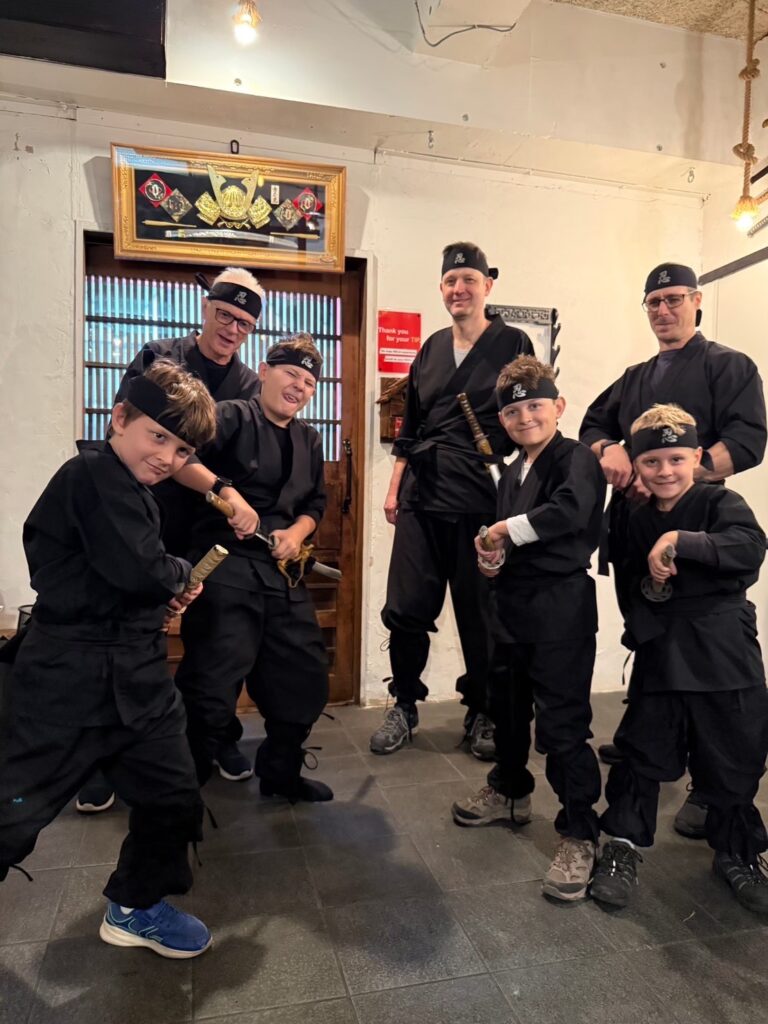
To understand Japan, one must look at the arts that have shaped its national identity. These ancient traditions are living practices that continue to evolve while maintaining a deep respect for their origins.
The Sacred Tea Ceremony (Sadō)
The Japanese tea ceremony, or Sadō, is a ritualized way of preparing and drinking green tea, typically powdered matcha. It is deeply rooted in Zen Buddhism and focuses on the four principles of harmony, respect, purity, and tranquility. When you enter a traditional tea room, the outside world seems to vanish. The host spends years mastering the precise movements required to serve the tea, and every gesture has a meaning.
For international visitors, many tea houses in areas like Kyoto or Tokyo’s Ueno district offer sessions with English explanations. You can learn about the seasonal wagashi (sweets) served to balance the bitterness of the tea and the importance of the ceramics used in the service. It is a slow, meditative experience that provides a much-needed break from the busy pace of travel.
The World of Geisha and Maiko in Kyoto
The word geisha literally translates to art person, and these professional entertainers are icons of Japanese culture. In the historic Gion district of Kyoto, you might catch a glimpse of a geisha or a maiko (apprentice geisha) as they walk to an evening appointment. While their world was once very private and difficult to access, today there are tours and dinner events designed for small groups of tourists to enjoy their company.
During these encounters, you can witness traditional dance, hear music played on the shamisen, and even play simple drinking games. It is a unique chance to talk with women who have dedicated their lives to preserving the arts of hospitality and performance. Understanding the history of their dress—the elaborate kimono and distinctive makeup—adds a layer of appreciation for this elusive part of Japan’s social fabric.
Kimono and Yukata: The Art of Traditional Dress
One of the most popular activities for travelers is kimono dressing. Wearing a kimono completely changes how you move and feel; it encourages a straight posture and a graceful gait. In popular sightseeing spots, there are many shops where you can choose a beautiful silk kimono to rent for the day. Staff will help you with the complex layers and the tying of the obi (sash), a process that is an art form in itself.
In the summer months, you might prefer a yukata, which is a lighter cotton version often worn to festivals or after a soak in a hot spring. Whether you are posing for photos in a traditional garden or walking through an ancient street, wearing the national dress helps you feel like a part of the scenery rather than just a visitor looking in. It is an accessible way to show respect for the culture while creating a personal connection to the traditions of the past.
Taste of Japan: Authentic Culinary Experiences
For many, the primary reason to travel to Japan is the food. Japanese cuisine, or washoku, is a UNESCO Intangible Cultural Heritage, celebrated for its seasonal ingredients and artistic presentation. While eating at high-end restaurants is a treat, engaging in hands-on food experiences allows you to understand the heart of the Japanese kitchen.
Sushi Making Classes with Master Chefs
Sushi is perhaps the most famous Japanese export, but there is a world of difference between a quick store-bought roll and the authentic art of nigiri. Taking a sushi-making class is a favorite activity for visitors who want to bring a piece of Japan home to their own kitchen. In these classes, which are widely available in cities like Tokyo and Osaka, you are guided by experienced chefs who have spent years perfecting their craft.
You will learn the secrets of preparing the perfect sushi rice—flavored with just the right amount of vinegar—and the precise hand movements required to shape the fish over the rice without crushing it. These classes can sometimes include a trip to a local fish market to learn how to select the freshest seafood. Whether you are a solo traveler or part of a large group, the act of making and then enjoying your own meal creates a memorable bond with the local food culture. It is an educational and delicious way to spend an afternoon.
Wagashi: Crafting Seasonal Japanese Sweets
If you have a sweet tooth, you must explore the delicate world of wagashi. These traditional sweets are designed to be served during the tea ceremony and are often shaped like flowers, leaves, or fruits to represent the current season. The level of detail in a tiny piece of wagashi is incredible; it is truly a miniature work of art.
Participating in a wagashi workshop is a great way for people of all ages to express their creativity. Using simple tools and colorful bean paste, you can learn to model shapes like cherry blossoms in the spring or maple leaves in the autumn. Most classes provide a relaxed atmosphere where the teacher explains the history and stories behind the designs. Afterward, you can enjoy your creations with a bowl of hot matcha, perfectly balancing the sweetness of the candy with the earthy bitterness of the tea.
Spirit and Movement: Martial Arts and Performances
Japanese culture is not only about quiet contemplation; it is also defined by power, discipline, and dynamic movement. From the physical intensity of martial arts to the rhythmic thunder of drums, these experiences offer a more high-energy look at the nation’s spirit.
The Power of Sumo Wrestling
Sumo is a sport with centuries of religious and cultural history. While catching a national tournament is a highlight for any trip, these events only happen a few times a year. Fortunately, visitors can often book a morning tour to a sumo stable (heya) to watch a practice session.
Seeing these incredible athletes up close—witnessing their strength, flexibility, and the respect they show to their stable masters—is a powerful experience. You will see the rituals involved, such as the throwing of salt to purify the ring. It provides a rare look at the disciplined life these men lead. For those who want a more interactive experience, some tours even allow you to eat chanko nabe, the hearty protein-rich stew that serves as the foundation of a sumo wrestler’s diet.
Taiko Drumming and Traditional Music (Kabuki/Noh)
The sound of the taiko drum is the heartbeat of Japan. Used historically in both warfare and religious festivals, the deep, resonant boom of a large taiko can be felt in your entire body. Many studios in Tokyo offer taiko drumming classes for beginners. These sessions are physically demanding and incredibly fun, requiring you to use your whole body to strike the drum in synchronization with the group.
For a more theatrical experience, attending a Kabuki or Noh performance is a must. These traditional performing arts use elaborate costumes, stark makeup, and unique vocal styles to tell stories of heroes, ghosts, and historical events. While the language might be ancient, many theaters now provide English earphone guides that explain the plot and the symbolism of the movements in real-time.
Asakusa Kaguwa: The Pinnacle of Modern Japanese Entertainment
If you are looking for a way to experience all these elements—oiran, geisha, and samurai—in one spectacular show, then Asakusa Kaguwa is the ultimate destination. Located just a 6-minute walk from Asakusa Station, this theater offers a breathtaking 60-minute performance that bridges the gap between tradition and modern theater.
At Asakusa Kaguwa, you don’t need to worry about a language barrier. The show is designed as a non-verbal performance, using dance, music, and thrilling samurai sword fighting to tell its stories. Professional performers bring the world of old Japan to life with a modern energy that appeals to all ages. It is an accessible and exciting way to see the beauty of the kimono, the grace of traditional dance, and the power of the samurai all on one magnificent stage. Whether you are visiting with family or friends, a night at Asakusa Kaguwa is often the highlight of a Tokyo itinerary.
Relaxation and Nature: The Soul of the Japanese Landscape
Beyond the bustling city centers and high-energy performances, Japan offers a profound sense of peace through its connection to the natural world. For many international visitors, these moments of quiet reflection are the most restorative parts of their trip. The Japanese have a long history of finding spirituality in nature, a concept that is perfectly reflected in their bathing rituals and garden designs.
Onsen Heritage: Bathing Rituals
No trip to Japan is complete without a visit to an onsen, or natural hot spring. Because Japan is a volcanic island, hot water enriched with minerals bubbles up from the earth in almost every region. For centuries, the Japanese people have used these springs not just for hygiene, but as a site for healing and social bonding.
When you visit a public bath or a private hot spring at a luxury ryokan (traditional inn), you are participating in a ritual that requires you to slow down. There is a specific etiquette to follow: you must wash your body thoroughly before entering the communal pool, and no clothing is worn in the water. While this can be a bit intimidating for first-time visitors from Europe or America, the atmosphere is one of profound respect and quiet. Whether you are soaking in an outdoor bath with views of the mountains in Hakone or enjoying a small local bathhouse in a city street, the heat helps you release the physical tension of travel. It is a time to reconnect with your own body and enjoy the simple luxury of nature’s warmth.
Zen Gardens and Temple Meditation
For those seeking mental clarity, the temple gardens of Japan provide a sanctuary for the soul. Zen gardens, often called karesansui (dry landscapes), use sand, gravel, and rocks to represent mountains and rivers. These spaces are not meant for walking, but for viewing and meditation. The act of raking the gravel into wave-like patterns is a meditative practice in itself, performed by monks to maintain the beauty and spiritual energy of the temple grounds.
Many temples, particularly in Kyoto and Kamakura, offer zazen (seated meditation) sessions for beginners. Some even provide instructions in English to help you understand the correct posture and breathing techniques. Sitting in silence on a tatami mat, looking out over a meticulously maintained garden, you can feel the weight of the modern world lift. It is a unique chance to experience the ancient philosophy of mindfulness in the very place where it was cultivated.
Modern Wonders and Tokyo’s Unique Experiences
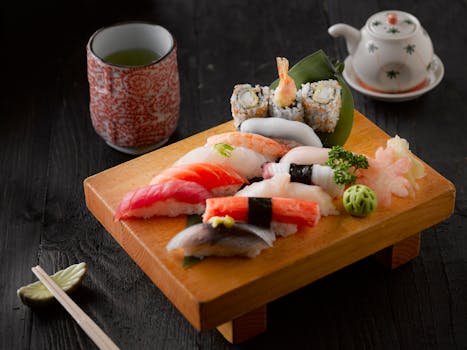
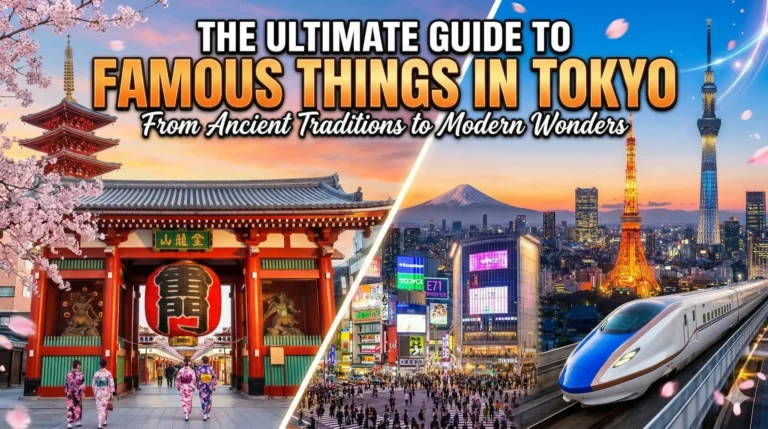
While tradition is the foundation, modern Japan is a whirlwind of innovation and pop culture that attracts millions of visitors every year. Tokyo, the heart of this transformation, is a city where you can see a 13th-century shrine sitting right next to a futuristic skyscraper.
Exploring the various districts of Tokyo allows you to see different sides of this complex culture. In Harajuku, you can witness the creative energy of Japan’s youth through fashion and street art. In Akihabara, the center of the world’s gaming and anime culture, you can see how modern stories have replaced the folklore of old. However, the most successful modern experiences are those that take the best of the past and reinvent it for today’s audience.
This is exactly what makes the theater experience at Asakusa Kaguwa so special. It takes the ancient arts of the oiran and the samurai and presents them with modern lighting, sound, and staging. It proves that Japanese culture is not a static thing kept in a museum, but a living, breathing art form that continues to excite and inspire people from all over the world. Whether you are looking for a high-tech theme park or a small, artisanal shop in a back alley, Tokyo’s ability to mix the old with the new is what makes it one of the most exciting cities on the planet.
Planning Your Trip: Practical Tips for International Visitors
Organizing a trip to a country with such a rich and complex culture can feel overwhelming, but with a little planning, your journey through Japan will be smooth and rewarding. Wherever you are coming from, understanding the local systems is the key to a stress-free adventure.
Booking, English Availability, and Etiquette
One of the first things you will notice is that while Japanese is the primary language, the country has become incredibly accessible to English speakers. Most major train stations, hotels, and tourist destinations provide signage and assistance in English. However, learning a few basic phrases like arigatou (thank you) and sumimasen (excuse me) goes a long way in showing respect to the local people you meet.
When it comes to booking your activities, it is wise to plan ahead, especially for popular experiences like sumo practices or private tours. Many services now offer online booking systems that accept international credit cards. For entertainment, checking the official website for venues like Asakusa Kaguwa is essential. They provide clear information on show times and how to catch the performance, ensuring you don’t miss out on the highlight of your evening in Asakusa.
Regarding etiquette, Japan is a society built on mutual respect. Always remember to remove your shoes when entering a traditional house, temple, or certain restaurants. Public transport is a place for quiet; talking loudly on a cell phone is generally avoided. By following these small social cues, you will find that the local people are incredibly welcoming and helpful.
Navigating the City and Staying Connected
The Japanese train network is world-famous for its punctuality and reach. Using a prepaid IC card (like Suica or Pasmo) makes moving through the city a breeze—you simply tap and go. For longer trips between cities like Tokyo, Osaka, and Hiroshima, the Shinkansen (bullet train) is a luxury experience in itself, offering incredible views of the countryside at high speeds.
Staying connected is also easier than ever. You can rent a pocket Wi-Fi device or purchase an e-SIM at the airport or before your trip, allowing you to use map apps to find hidden gems in small alleys or translate menus in real-time. Having internet access also allows you to keep an eye on social media platforms like Facebook, Instagram, and YouTube for the latest travel tips and updates from your favorite Japanese sites.
Conclusion: Bringing the Magic of Japan Home
A trip to Japan is a collection of memorable moments that challenge your perspectives and touch your heart. From the discipline of a martial arts class to the vibrant colors of an oiran’s dress at Asakusa Kaguwa, these experiences allow you to understand the soul of a nation that has spent centuries perfecting the art of hospitality and performance.
As you plan your itinerary, remember to balance the famous landmarks with personal encounters. Take the time to sit in a quiet garden, taste the delicate flavors of wagashi, and immerse yourself in a show that transcends the language barrier. Japan’s ability to offer both ancient peace and modern excitement is what makes it a destination people return to year after year.
If you find yourself in Tokyo, make sure to visit the historic Asakusa area. After exploring the iconic Senso-ji Temple, walk just a few minutes to Asakusa Kaguwa. It is the perfect way to wrap up your day, witnessing a spectacular fusion of tradition and innovation that you truly have to see to believe.
Frequently Asked Questions (Q&A)
Q: Is the show at Asakusa Kaguwa suitable for children?
A: Yes! The show is a visual spectacle with music and dance that appeals to all ages, including families with children.
Q: Do I need to understand Japanese to enjoy the cultural tours?
A: Not at all. Many tours are designed for international visitors with English-speaking guides. Performances like those at Asakusa Kaguwa are non-verbal, meaning the story is told through movement and art, making it accessible to everyone.
Q: What is the best way to book a seat for a performance?
A: You can easily check the schedule and book tickets directly through the official website to ensure you get the best view of the stage.
Summary: The Essence of Your Japanese Journey
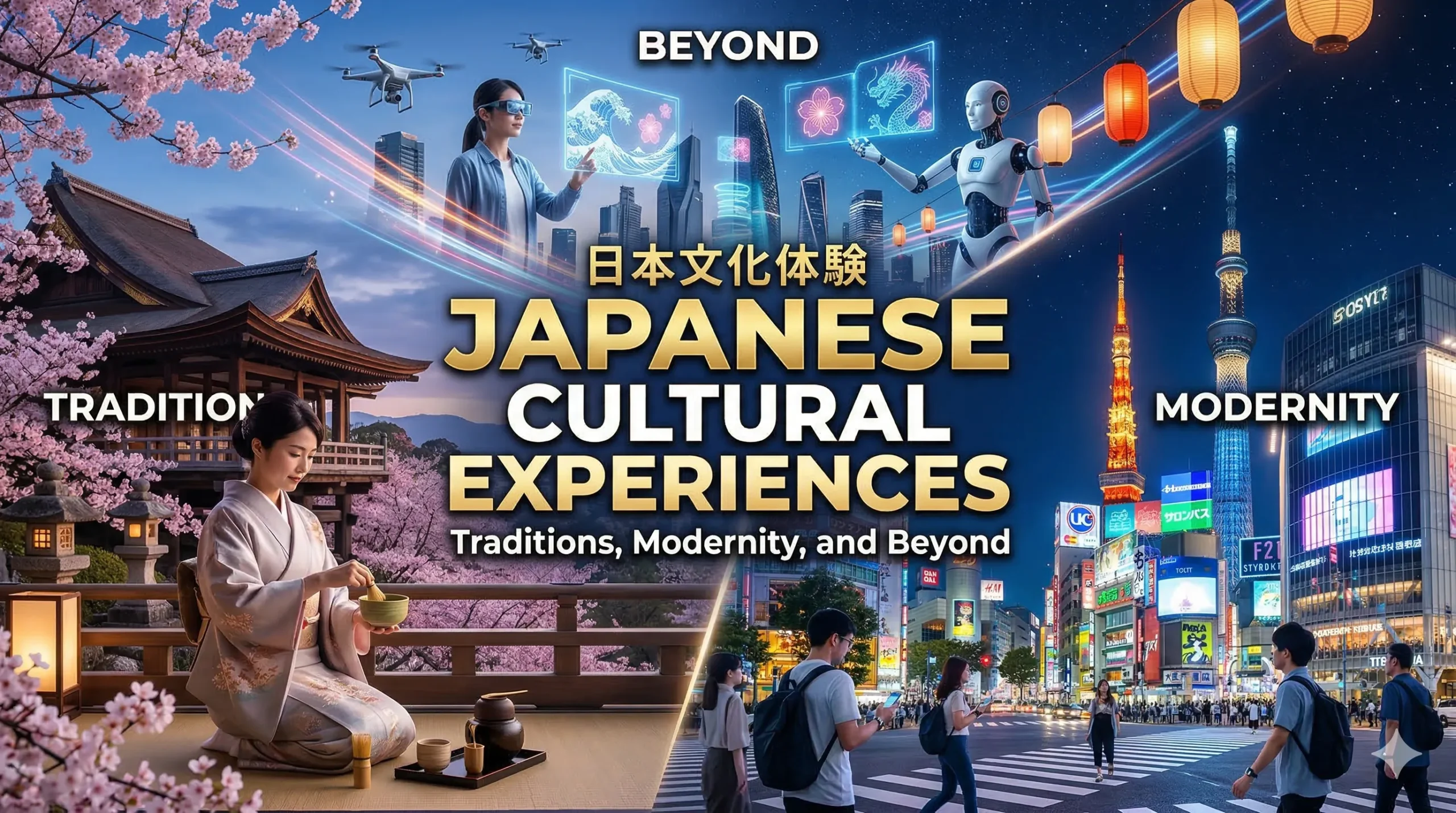
Japan is a country that offers a profound journey through time. As we have explored in this guide, the heart of the Japanese experience lies in the balance between the stillness of a tea ceremony and the vibrant energy of a modern stage. Whether you are walking through the historic streets of Kyoto, tasting the seasonal art of wagashi, or feeling the power of a sumo wrestler’s spirit, you are participating in a culture that values every moment. These activities are not just for show; they are a way for visitors to understand the deep-rooted hospitality and craftsmanship that define this nation.
The true magic of Japan is discovered when you step out of your comfort zone and into the shoes of the locals—sometimes literally, by wearing a beautiful kimono. From the healing waters of a rural onsen to the neon-lit excitement of a Tokyo theater, the memories you create here will stay with you long after you have returned home.
As you finalize your travel plans, remember that the most authentic experiences are often those that bridge the gap between the ancient and the now. This is exactly what awaits you in the heart of Tokyo’s most historic district.
Final Recommendation: Experience Asakusa Kaguwa
No trip to Japan is complete without witnessing the spectacular blend of tradition and innovation. For an unforgettable evening, make your way to Asakusa Kaguwa. This premier Japanese-style show theater brings together the legendary figures of Japan—the oiran, the geisha, and the samurai—in a breathtaking performance that defies the language barrier.
Located just a 2-minute walk from Asakusa Station, it is the perfect finale to a day of sightseeing. You will be mesmerized by professional performers who bring centuries-old stories to life with modern flair and thrilling choreography. It is an emotional experience that captures the very soul of Japanese entertainment. We invite you to step into this magnificent world and see for yourself why Asakusa Kaguwa is a favorite for travelers from all over the globe.
SEO Meta Description: Explore the ultimate guide to Japanese cultural experiences. From ancient tea ceremonies and kimono dressing to the modern, high-energy samurai and geisha shows at Asakusa Kaguwa, discover how to make your trip to Japan truly unforgettable. Perfect for international visitors seeking authentic tradition and world-class entertainment.
Footnotes and Sources:
- Japan Travel Planning Guide: https://www.japan-guide.com/
- Train Travel and IC Cards: https://www.jreast.co.jp/e/
- Asakusa Kaguwa Official Website: https://www.asakusa-kaguwa.com/
★If you enjoyed this article, you might also like the following!