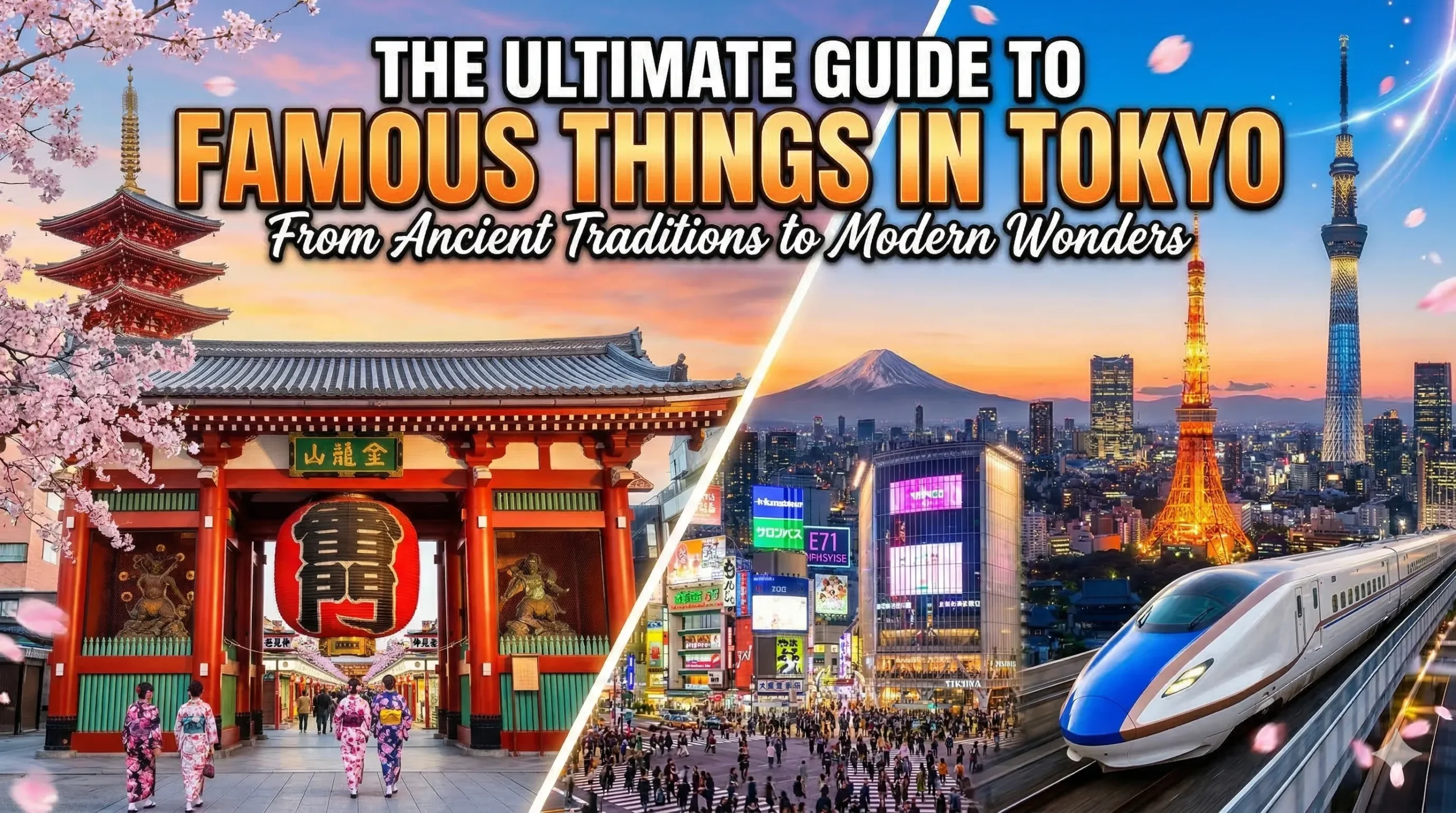
Planning a trip to Japan often starts with a single, vibrant image of its capital. Tokyo is a city where the past and the future dance together. Whether you are looking for the neon-lit streets of Shinjuku or the quiet, incense-filled air of a Buddhist temple, Tokyo offers an experience that is impossible to find anywhere else in the world.
As we move into 2026, the city has only become more accessible and exciting for international visitors. If you are wondering what the truly famous things in Tokyo are, this guide will walk you through the essential landmarks, the best food spots, and a hidden gem in Asakusa that brings Japanese history to life in a way you have never seen before.
—
1. The Iconic Landmarks: Must-See Sights in the City
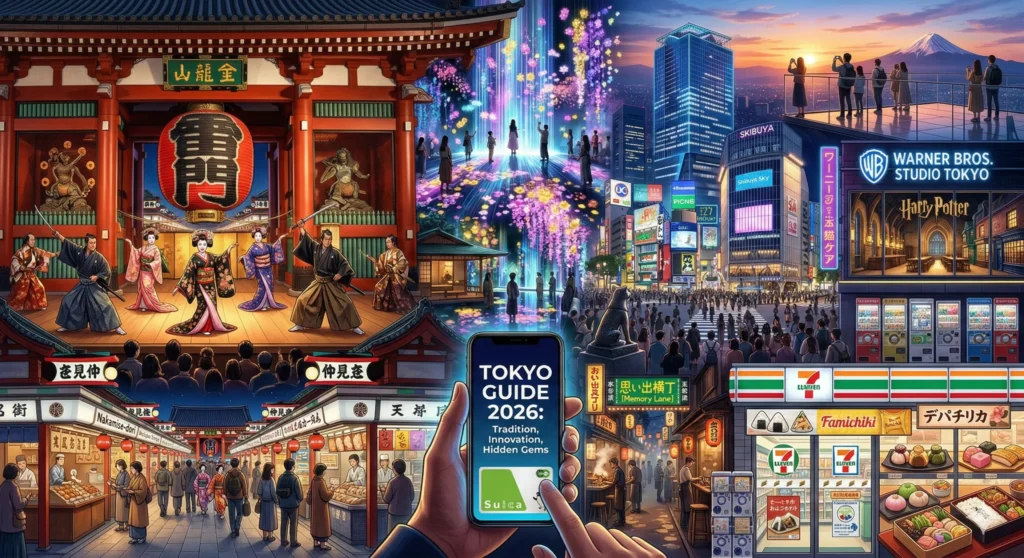
When people think of Tokyo, a few specific images usually come to mind. These are the places that define the city’s skyline and its cultural identity.
Shibuya Crossing and the Hachiko Statue
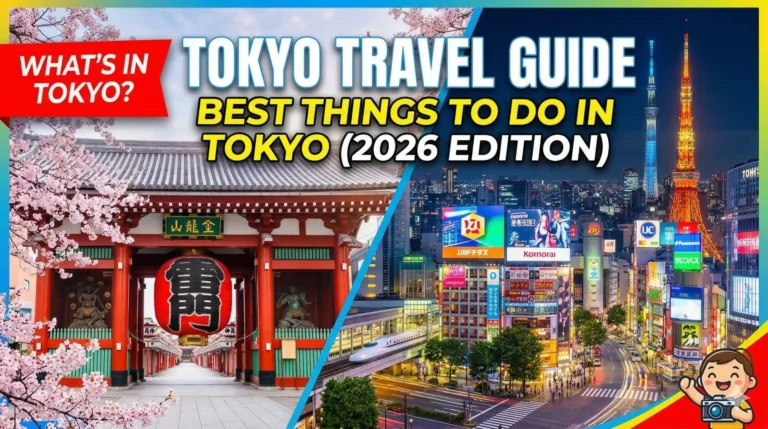
No visit to Tokyo is complete without witnessing the organized chaos of Shibuya Crossing. Known as the busiest intersection in the world, it is a rite of passage to walk across it during a green light. While you are there, make sure to visit the Hachiko statue, a tribute to the world’s most loyal dog, located just outside Shibuya Station.
Tokyo Skytree and Tokyo Tower
For the best views of the city, you have two major choices. Tokyo Tower, with its classic orange and white design, offers a nostalgic look at the city’s post-war growth. However, compared to the surrounding building it is about the same height. On the other hand, the Tokyo Skytree is the tallest structure in Japan, providing a stunning observation deck that lets you see as far as Mt. Fuji on a clear day.
Meiji Jingu Shrine and Yoyogi Park
Located in the heart of the city near Harajuku Station, Meiji Jingu is a serene Shinto shrine dedicated to Emperor Meiji. It is surrounded by a lush forest that makes you forget you are in the middle of a bustling metropolis. Adjacent to the shrine is Yoyogi Park, a popular spot for locals to relax, especially during the cherry blossom season.
—
2. Exploring the Unique Neighborhoods of Tokyo
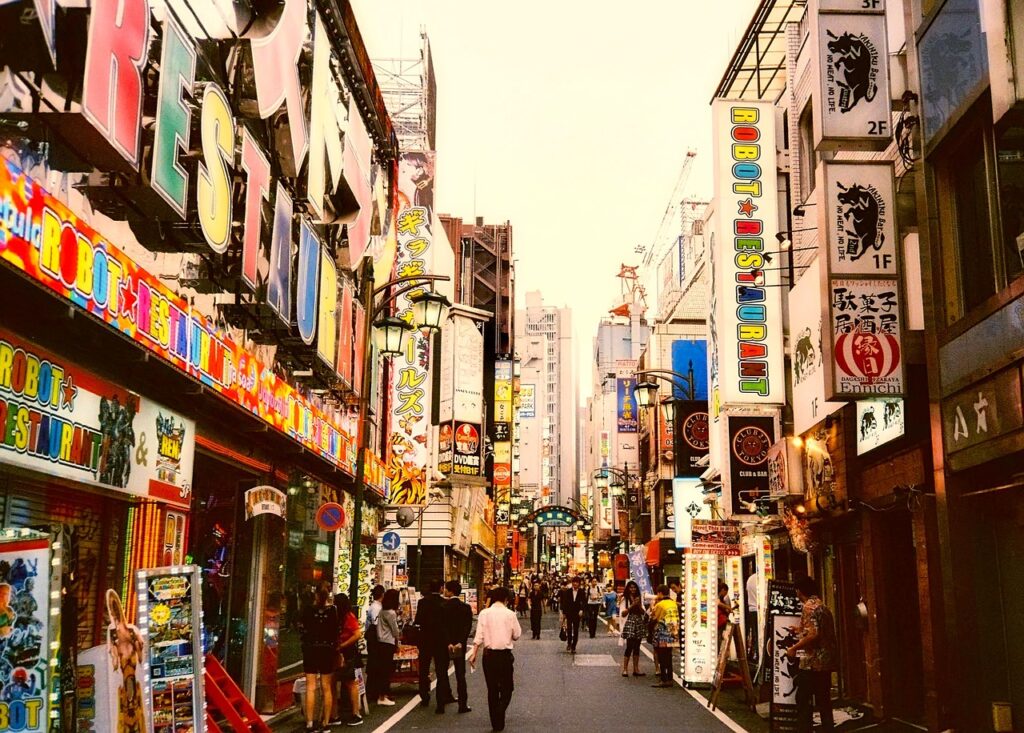
Tokyo is a collection of “cities within a city,” each with its own distinct personality.
Shinjuku: The Entertainment Capital
Shinjuku is home to the world’s busiest train station and an endless array of neon lights. Explore the narrow alleys of Omoide Yokocho (Memory Lane) for some authentic yakitori, or visit Shinjuku Gyoen National Garden for a more peaceful experience.
Akihabara: The Electric Town
For fans of anime, manga, and electronics, Akihabara is paradise. This district is filled with multi-story shops selling everything from the latest gadgets, rare collectibles, and even spare parts. Even if you aren’t a “techie,” the vibrant atmosphere and themed cafes are worth the trip.
Harajuku: Fashion and Youth Culture
Takeshita Street in Harajuku is the epicenter of Japan’s “kawaii” (cute) culture. Here, you’ll find quirky fashion boutiques, colorful street food like giant rainbow cotton candy, and some of the most creative outfits in the world.
—
3. Experience the Heart of Old Japan in Asakusa
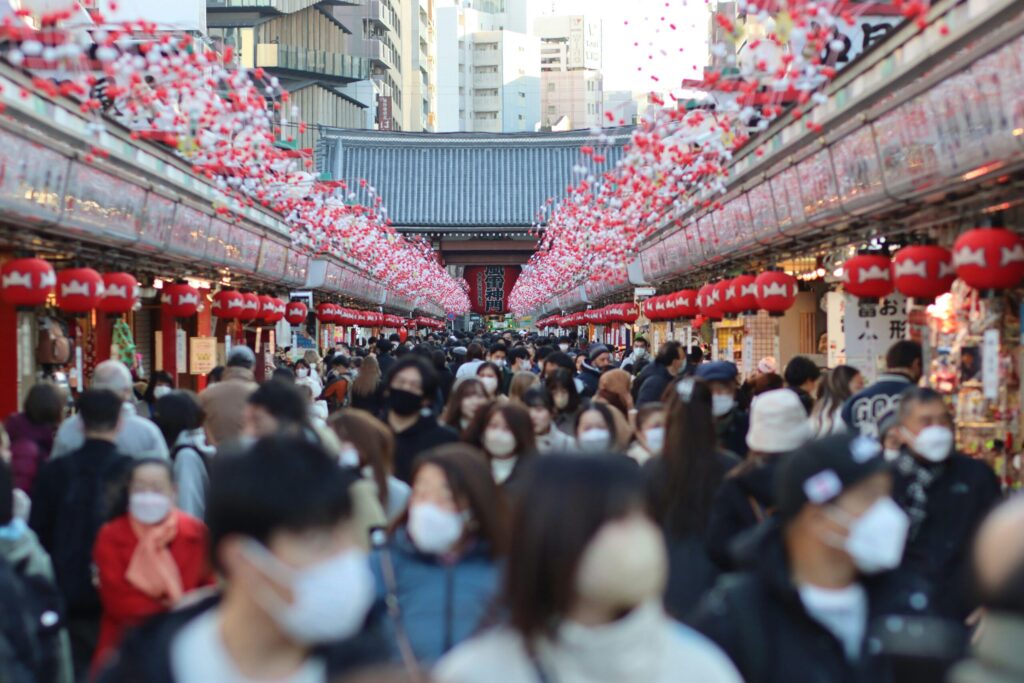
While much of Tokyo feels like it is living in the year 2100, Asakusa is where the soul of “Edo” (old Tokyo) still lives. This is the district where you can truly connect with Japanese tradition.
Senso-ji Temple and Nakamise-dori
Senso-ji is Tokyo’s oldest temple and an absolute must-visit. You enter through the massive Kaminarimon (Thunder Gate) and walk down Nakamise-dori, a shopping street that has been serving pilgrims for centuries. Here, you can buy traditional snacks and beautiful Japanese souvenirs.
Asakusa Kaguwa: A Modern Twist on Tradition
After exploring the temple, most tourists wonder where they can see real Japanese performing arts. While Kabuki is famous, it can be long and difficult to understand without a deep knowledge of the Japanese language. Even then it can be difficult for natives to understand, much like a Shakespearean play for example. This is where Asakusa Kaguwa provides the perfect solution.
Located just a 6-minute walk from Asakusa Station, Asakusa Kaguwa is a Japanese-style show theater that offers a high-energy, 60-minute performance. The full-scale entertainment show features:
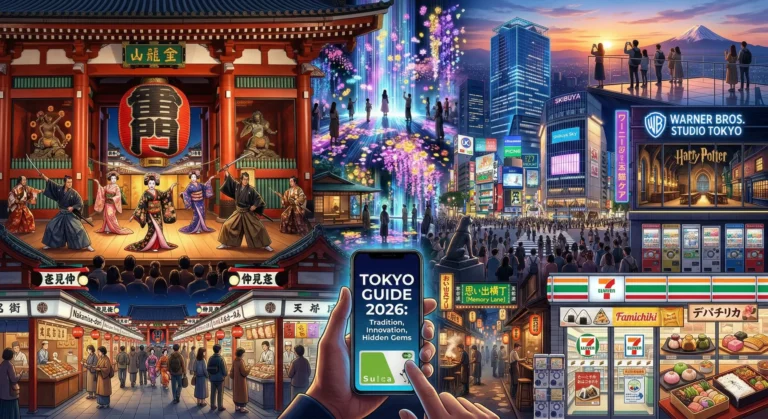
* Oiran (Courtesans): Witness the elegance and elaborate costumes of historical Japan.
* Samurai Sword Fighting: High-octane action that brings the spirit of the warrior to the stage.
* Geisha Performances: Graceful movements that define Japanese beauty.
The best part? The show is “non-verbal,” meaning it transcends the language barrier. Whether you speak English, Spanish, or Japanese, the story and the skill of the professional performers will leave you deeply impressed. It is a fantastic way to see traditional Japanese culture reimagined for a modern audience.
—
4. Culinary Delights: What to Eat in Tokyo
Tokyo has more Michelin stars than any other city, but the best food is often found in humble local spots.
* Sushi at Tsukiji Outer Market: While the inner wholesale fish market moved to Toyosu, the Tsukiji Outer Market remains the best place to find fresh sushi and seafood for breakfast or lunch. Keep in mind that most places close by the late afternoon when stocks run out.
* Ramen from a Vending Machine: For a classic Tokyo experience, go to a ramen shop where you order via a ticket machine. It is fast, efficient, and incredibly delicious.
* Izakaya Culture: Spend an evening at an izakaya (Japanese pub) in areas like Ginza or Shinjuku. Order small plates of sashimi, karaage (fried chicken), and a glass of sake to drink like a local.
—
5. Travel Tips for Your Tokyo Adventure in 2026
* Get a Suica or Pasmo Card: These IC cards are essential for seamless travel on the train and bus network. You can also use them to pay at most convenience stores. If your phone is compatible you can also use app versions.
* Stay Connected: Rent a pocket Wi-Fi or buy an eSIM before you arrive. Google Maps is your best friend when navigating the complex station layouts.
* Cash is Still King (Sometimes): While many places take cards now, small shops and some shrines still require cash. Always keep some yen in your wallet.
* Book Experiences in Advance: Popular attractions like the Ghibli Museum or specific themed cafes often sell out weeks in advance. The same goes for show theaters like Asakusa Kaguwa, especially during peak tourist seasons.
6. The Art of the Hidden Alleyway: Yokocho Culture
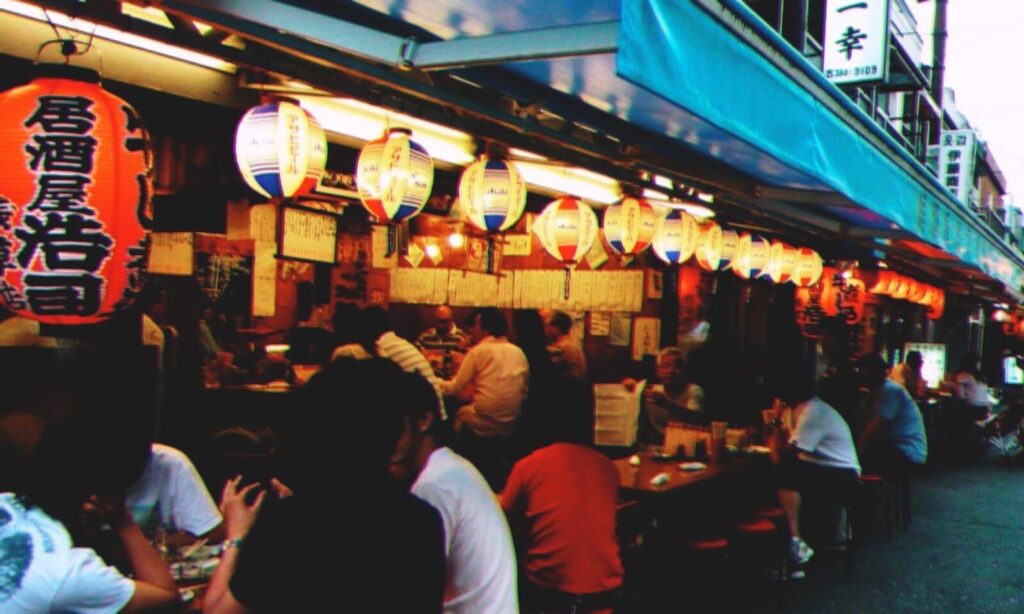
One of the most authentic ways to experience Tokyo after dark is by stepping into a yokocho. These are narrow, atmospheric alleys packed with tiny bars and eateries that seat only a handful of people.
Shinjuku Omoide Yokocho (Memory Lane)
This spot near Shinjuku Station is famous for its charcoal-grilled yakitori and nostalgic Showa-era vibe. The sight of smoke rising between lanterns makes for an incredible photo opportunity.
Shibuya Nonbei Yokocho (Drunkard’s Alley)
Nestled right next to the modern Shibuya Crossing, this alley feels like a time capsule. It is the perfect place to strike up a conversation with a local bartender while enjoying a small plate of seasonal snacks.
7. Finding Serenity: The Best Traditional Gardens
If the neon lights become a bit too much, Tokyo offers some of the most beautiful landscaped gardens in the world. These spaces are designed to reflect the changing seasons, making them a must-visit throughout the year.
Hamarikyu Gardens
Located alongside Tokyo Bay, this garden features a unique seawater pond that changes with the tides. You can stop at the teahouse on an island in the middle of the lake to enjoy matcha and traditional Japanese sweets (wagashi).
Koishikawa Korakuen
As one of Tokyo’s oldest gardens, it incorporates elements of both Japanese and Chinese design. It is particularly famous in the autumn when the maple trees turn a brilliant shade of crimson.
8. Navigating the Asakusa Area Like a Pro
Asakusa is a hub for high-quality Japanese craftsmanship and performing arts. After you have visited Senso-ji, take a short walk to explore the surrounding streets.
Kappabashi Kitchen Town
Just a 15-minute walk from Asakusa, this street is dedicated to everything related to cooking. You can find professional-grade Japanese knives and the famous plastic food samples often used at restaurants (shokuhin sampo) that look incredibly real.
The Best Way to End Your Evening: Asakusa Kaguwa
After a long day of walking through the traditional streets, your feet might be tired, but your thirst for culture won’t be quenched. This is why many international visitors choose Asakusa Kaguwa as their final stop.
The theater provides a comfortable, immersive environment where you can sit back and let the history of Japan wash over you. The professional cast uses the entire stage to tell stories of the Edo period through high-energy dance and dramatic combat. Since the performance is non-verbal, you don’t have to worry about missing any plot points—the emotion and skill are universal.
9. Digital Frontiers: Tokyo’s Immersive Art Revolution
By 2026, Tokyo has firmly established itself as the global capital of digital art. For those who want to step inside a kaleidoscope, these spots are not to be missed:
teamLab Borderless (Azabudai Hills): Reopened in the heart of the city, this “museum without a map” features artworks that move out of rooms and communicate with other works, creating a seamless, ever-changing environment.
teamLab Planets (Toyosu): A unique “body-immersive” experience where you walk through water and become one with a floating flower garden. It is a sensory journey unlike anything else in the world.
Warner Bros. Studio Tour Tokyo – The Making of Harry Potter: For fans of the Wizarding World, this massive indoor attraction in Nerima offers a behind-the-scenes look at the movie magic, complete with exclusive sets you won’t find in London.
10. The “Depachika” and Convenience Store Phenomenon
While Tokyo boasts the most Michelin stars in the world, some of the most exciting culinary discoveries happen underground or on street corners.
Depachika (Department Store Basements): Head to the basement of giants like Isetan Shinjuku or Mitsukoshi Ginza. These maze-like food halls are “museums of flavor,” offering everything from $100 gift melons to exquisitely packed bento boxes and traditional Wagashi (Japanese sweets).
Konbini Culture: In 2026, Japanese convenience stores (7-Eleven, Lawson, FamilyMart) remain a traveler’s best friend. Beyond high-quality onigiris and hot fried chicken, look for their seasonal dessert collaborations with famous patisseries.
The “Standing” Experience: Try a Tachigui (standing) sushi or soba bar near major stations. It’s fast, incredibly affordable, and a great way to observe the rhythmic pace of Tokyo life.
11. 2026 Trends: Sustainable and Creative Exploration
Tokyo is evolving into a greener, more pedestrian-friendly metropolis. Travelers are now looking beyond the main streets to find local creativity.
Tokyo by Bicycle: With the expansion of bike-sharing apps like “Hello Cycling,” navigating from Asakusa to Ueno or through the backstreets of Yanaka has never been easier. It’s a sustainable way to see the city at your own pace.
Kuramae: The Brooklyn of Tokyo: Just a short walk from Asakusa, this neighborhood has become a hub for young artisans. Old warehouses have been converted into trendy coffee roasteries, chocolate factories, and stationery shops where you can custom-make your own notebooks.
Night Parfait Culture: A growing trend in Tokyo’s nightlife is the “Shime Parfait” (finishing parfait). Instead of ramen after a night out, many locals now head to stylish late-night cafes for architecturally stunning fruit parfaits.
—
Frequently Asked Questions (Q&A)
Q: What is the best area to experience Japanese culture in a short amount of time?
A: The Asakusa district is the top recommendation. You can visit Tokyo’s oldest temple, Senso-ji, and walk through the historic Nakamise-dori. To truly complete the experience, visit Asakusa Kaguwa, located just a 6-minute walk from the station. There, you can enjoy a condensed, 60-minute performance featuring Oiran, Samurai, and Geisha, allowing you to experience the essence of Edo culture efficiently.
Q: Can I enjoy the show at “Asakusa Kaguwa” without understanding Japanese?
A: Absolutely! The performance at Asakusa Kaguwa is designed as a “non-verbal” show. It relies on visual storytelling, dynamic sword fighting, and dance rather than dialogue. This transcends the language barrier, making it an immersive and highly rated experience for international travelers and first-time visitors alike.
Q: What is the most convenient way to navigate the city?
A: Tokyo’s train network is world-class. The best way to travel is by getting a Suica or Pasmo IC card. These allow you to tap and go on trains and buses without buying individual tickets. You can easily access major spots like Asakusa via the Ginza or Asakusa Lines using these cards.
Q: Are there any unique food trends to look out for in 2026?
A: Beyond traditional sushi and ramen, “Depachika” (department store basement food halls) are a must-visit for gourmet exploration. Additionally, the “Night Parfait” (Shime Parfait) culture—eating an elaborate fruit parfait at the end of a night out—is a major trend. Combining a cultural show with local dining in Asakusa is also a perfect way to spend an evening.
Q: Is Tokyo expensive to visit?
A: It can be, but it doesn’t have to be. There are plenty of free things to do, such as visiting shrines or the Tokyo Metropolitan Government Building for views. Food prices range from budget-friendly 500 yen ramen to high-end dining.
Q: What is the best time to visit Tokyo?
A: Spring (late March to early April) for cherry blossoms and Autumn (November) for the vibrant red leaves are the most popular times. However, January and February offer crisp, clear skies and fewer crowds.
Q: Is Tokyo safe for solo travelers?
A: Tokyo is consistently ranked as one of the safest cities in the world. It is a great destination for solo travelers, families, and seniors alike.
Q: How do I get to Asakusa Kaguwa?
A: It is very easy to find! It is located just a 6-minute walk from Asakusa Station, which is accessible via the Ginza Line, Asakusa Line, and Tobu Skytree Line.
—
Conclusion: Making the Most of Your Tokyo Trip
Tokyo is a city of endless discovery. Whether you are crossing the street in Shibuya or finding a moment of peace at Meiji Jingu, every corner of the city has a story to tell. To truly round out your experience, don’t just look at the history—experience it.
Combining a visit to the historic Senso-ji Temple with an evening show at Asakusa Kaguwa allows you to see both the traditional roots and the creative future of Japan. It is an unforgettable way to spend 60 minutes and will likely be the highlight of your Tokyo itinerary.
Are you ready to witness the spirit of the Samurai and the beauty of the Oiran?
Visit the official Asakusa Kaguwa website to check show times and book your tickets in advance. Don’t miss out on this spectacular blend of tradition and innovation during your visit to Tokyo!
[https://www.asakusa-kaguwa.com/](https://www.asakusa-kaguwa.com/)
—
Footnotes & Sources:
1. Asakusa Kaguwa Official Website: [https://www.asakusa-kaguwa.com/](https://www.asakusa-kaguwa.com/)
2. Go Tokyo – The Official Tokyo Travel Guide: [https://www.gotokyo.org/en/](https://www.gotokyo.org/en/)
3. Japan Guide – Tokyo City Guide: [https://www.japan-guide.com/e/e2164.html](https://www.japan-guide.com/e/e2164.html)
4. TripAdvisor – Best Things to do in Tokyo: [https://www.tripadvisor.com/Attractions-g298184-Activities-Tokyo_Tokyo_Prefecture_Kanto.html](https://www.tripadvisor.com/Attractions-g298184-Activities-Tokyo_Tokyo_Prefecture_Kanto.html)