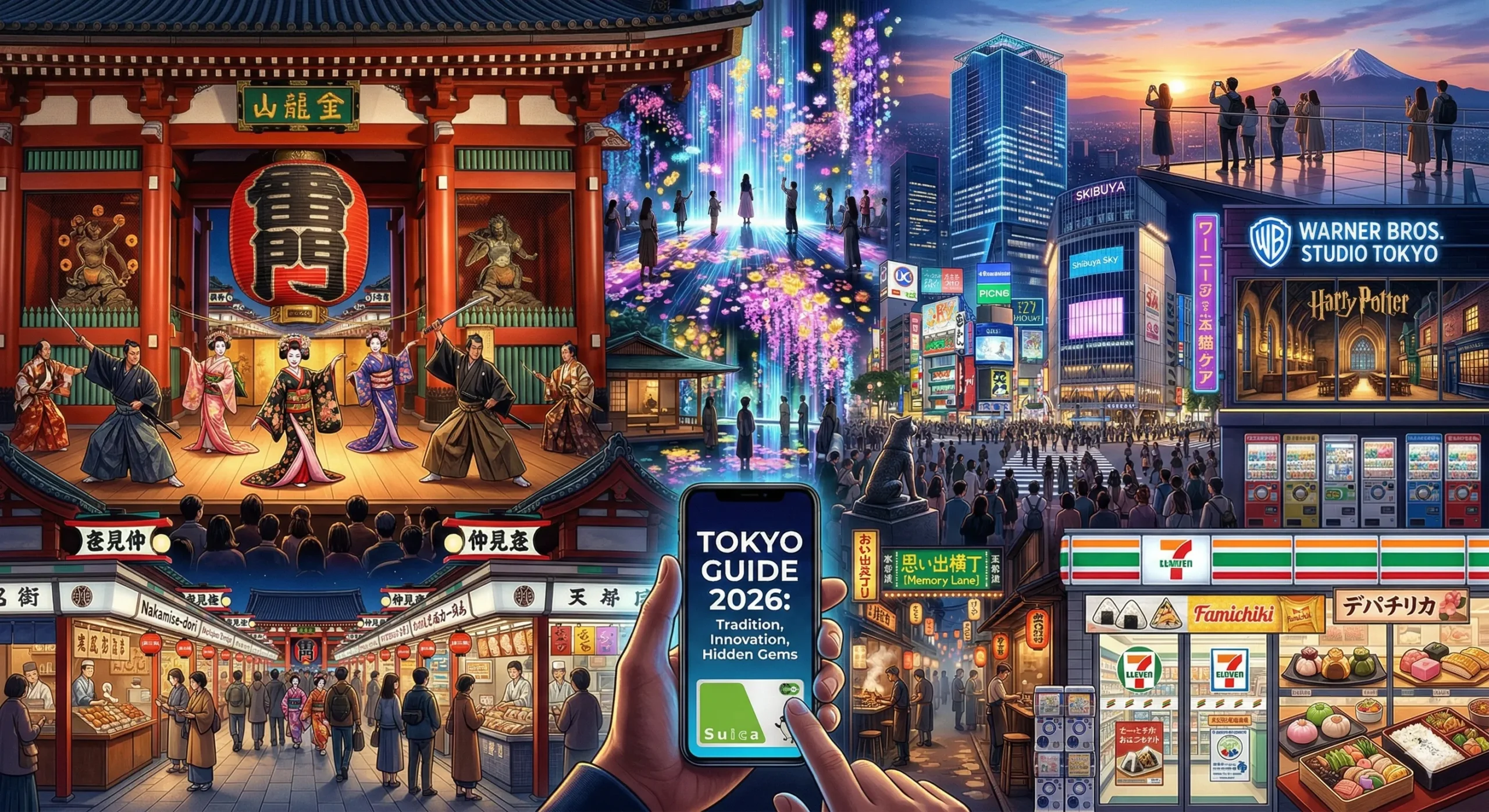
There is a specific moment that happens to everyone when they visit Tokyo for the first time. It usually occurs right after you step off the train at Shinjuku or Shibuya station. The sheer volume of people, the kaleidoscope of neon lights, and the rhythmic energy of the city hit you all at once. It is overwhelming, electric, and utterly unforgettable.
The capital of Japan offers an endless list of activities that cater to every type of traveler. From ancient temples hidden between skyscrapers to futuristic digital art museums, this city is a masterclass in variety.
In this guide, we will walk you through the absolute best experiences in Tokyo’s diverse neighborhoods. We will go beyond the typical tourist traps and dive into the cultural heart of the city. How to navigate the complex transport system, where to find the freshest sushi, and why a specific theater in Asakusa should be at the very top of your bucket list for 2026.
- Getting Started: Airports and Transport

Your journey begins the moment you touch down. Most international flights land at Narita Airport or Haneda Airport. Haneda is much closer to the central city, offering quick access via the monorail or Keikyu line. Narita is further out, but the Narita Express rail service is efficient and comfortable.
One of the first things you should do is buy a Suica or Pasmo card. These are rechargeable IC cards that you can use on trains, subways, and even buses. You can also download app versions to your phone if it is compatible. You can also use them to pay for drinks at vending machines or items at a convenience store. It is a huge time-saver compared to buying a paper ticket for every single ride. If you plan to travel outside Tokyo to places like Kyoto or Hiroshima, you might want to look into the Japan Rail Pass, though prices have increased recently, so check if it works for your itinerary. The IC cards work nationwide.
Navigating the subway map can look intimidating, but there are clear signs in English, and station staff are incredibly helpful. Just avoid the morning rush hour (7:30 AM to 9:00 AM) if you can; the trains get incredibly packed, and personal space becomes minimal or non-existent.
- Where to Stay: Finding the Perfect Base
Choosing the right accommodation is crucial. Tokyo offers everything from luxury 5-star hotels to capsule hotels where you sleep in a pod. If you value privacy and space, a standard hotel is your best bet. However, if you are traveling solo and want to save money, a capsule hotel is a unique Japanese experience.
For families with kids, staying near Tokyo Disneyland in the Urayasu area or finding a large family room in Ueno is a good plan. Ueno is a fantastic hub because it is a bit quieter, has a massive park, and offers direct train access to the airport. If you want to be in the middle of the action, Shinjuku or Shibuya are the bustling centers where the city never sleeps.
Always read the hotel policy regarding check-in and check-out times. Many hotels in Japan are strict about a 3:00 PM check-in. If you arrive early, they will usually hold your bags so you can start exploring. In terms of budget, prices vary wildly especially with the seasons, so plan ahead.
- Embrace the Chaos at Shibuya Crossing
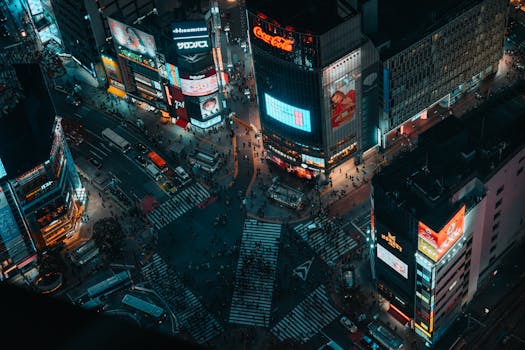
You have seen it in movies, but nothing compares to the real thing. Shibuya Crossing is often cited as the busiest pedestrian intersection in the world. When the lights turn red for traffic, the streets flood with hundreds, sometimes thousands, of people from all directions. It is organized chaos at its finest.
For the best view, skip the crowded coffee shops on the lower levels. Instead, head to Shibuya Sky, an open-air observation deck on the roof of a high building that offers a 360-degree panoramic view of the city. If you time your visit right, aim for sunset, you can watch the city transform from day to night, with Mount Fuji silhouetted in the distance on a clear day. Don’t forget to take a photo; it is an iconic spot.
- Harajuku and the Center of Pop Culture
Just one stop away from Shibuya is Harajuku. This is the center of youth culture and fashion. Takeshita Street is the main artery here, packed with shops selling colorful clothes, crepe stands, and unique accessories. It is loud, it is fun, and it is unlike anywhere else.
If you are a fan of anime or manga, you should also visit Akihabara. It is the holy land for otaku culture. You can spend hours browsing multi-floor electronics stores or hunting for rare figurines. There are also many maid cafes where you can experience a very specific subculture of Japan’s service industry. It is a lively atmosphere that captures a unique side of Tokyo.
- Shopping Therapy: From Luxury to Vintage
Tokyo is a shopper’s paradise, but you need to know where to look. If you want high-end brands and luxury service, Ginza is the place. The department stores here, like Mitsukoshi and Ginza Six, are architectural marvels. Even the food halls in the basement floor are a spectacle, selling everything from perfect melons to intricate cakes. On weekends, the main street is closed to traffic, turning into a pedestrian heaven.
For a cooler, more bohemian vibe, take a short train ride to Shimokitazawa. This neighborhood is famous for its vintage clothing stores, small cafes, and live music venues. It is a great place to buy unique souvenirs that you will not find in a typical gift shop.
- A Culinary Journey: From Sushi to Ramen
You cannot talk about the best experiences in Tokyo without mentioning food. The city holds more Michelin stars than any other city in the world, but you do not need to spend a fortune to eat well.
For sushi, head to the outer market of the old Tsukiji. There are plenty of sushi restaurants where you can get a fresh omakase course. It is arguably the most delicious raw fish you will ever taste.
For ramen, every district has its champion. Whether you prefer the rich pork broth of tonkotsu or the lighter soy-based shoyu, the options are endless. Do not be afraid to queue; in Tokyo, a long line is usually the best sign of quality.
If you want a quick lunch, convenience stores offer surprisingly good quality food, including onigiri (rice balls) and bento boxes. It is a cheap and easy way to fuel up during a busy day. Also, do not forget to visit a local tea house to try authentic matcha and wagashi (Japanese sweets).
- History and Tradition: Temples and Shrines
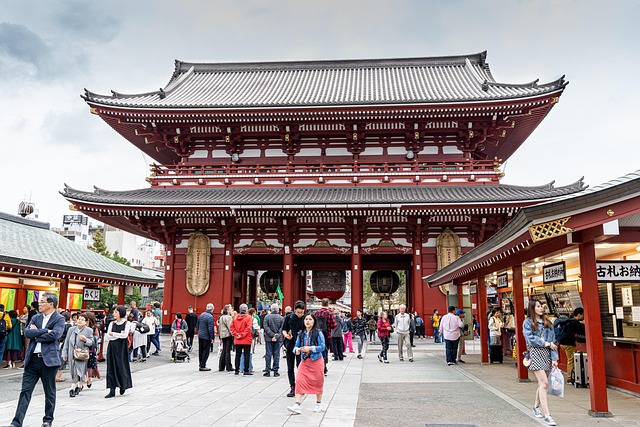
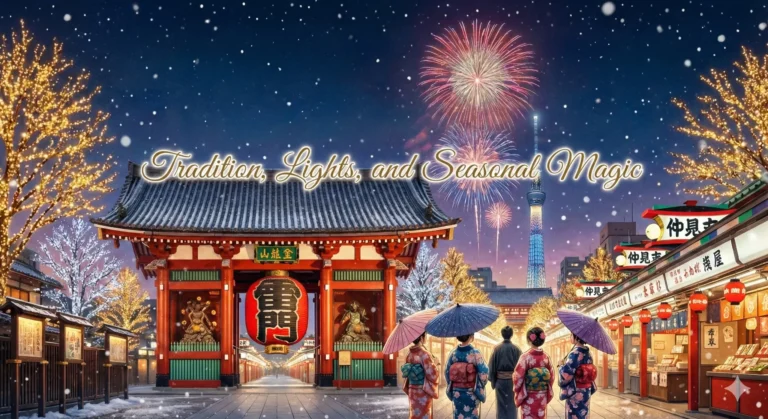
If Shibuya represents the future, Asakusa is the custodian of Tokyo’s past. This district is home to Senso-ji, the city’s oldest and most famous Buddhist temple. Entering through the Kaminarimon (Thunder Gate) with its massive red lantern is a rite of passage for any visitor. The street leading to the temple is lined with small stalls selling traditional snacks and souvenirs.
Another iconic spot is the Meiji Shrine located right next to Harajuku. It is a large Shinto shrine surrounded by a dense forest. Walking through the massive wooden torii gates, the noise of the city fades away, replaced by the sound of rustling leaves. It is a natural oasis in the concrete jungle.
For history buffs, the Imperial Palace East Gardens are a must. While you cannot enter the private residence of the Emperor, the grounds are open to the public and offer beautiful views of the ancient stone walls and moats.
- Art and Museums
Art in Tokyo has evolved. It is no longer just about staring at paintings on a wall; it is about walking inside them. The teamLab Planets and the newly reopened teamLab Borderless are massive digital art museums that have taken the world by storm. You will find yourself wading through water that projects digital koi fish, or standing in a room of infinite crystal lights.
For animation lovers, the Ghibli Museum in Mitaka is magical. It is designed like a house from one of Hayao Miyazaki’s films. Tickets are extremely hard to get and must be purchased in advance. If you cannot get a ticket there, the Warner Bros. Studio Tour Tokyo – The Making of Harry Potter is another fantastic studio tour that opened recently.
- Family Fun: Disneyland and Parks
If you are visiting with kids, Tokyo is surprisingly accommodating. Tokyo Disneyland and DisneySea are destinations in themselves. DisneySea is unique to Japan and is widely considered the best Disney park in the world. Be sure to download the app to check wait times for rides and book a pass for popular attractions. It is a full day of fun.
Ueno Park is not just a park; it is a cultural hub. It houses the Ueno Zoo, the Tokyo National Museum, and the National Museum of Nature and Science. It is a large open space where children can run around. In spring, the cherry blossoms here are breathtaking, though it gets very crowded.
- The Power of Sumo
Watching a sumo tournament is an electrifying experience. There are three grand tournaments held in Tokyo each year (January, May, and September) at the Ryogoku Kokugikan. Tickets sell out fast, so you need to plan ahead and buy them as soon as they go on sale.
If you miss the tournament season, do not worry. You can often visit a sumo stable in the morning to watch the wrestlers practice. It is a serious, intense atmosphere, and you must stay quiet, but witnessing the sheer power of these athletes up close is unforgettable. Check the policy of each stable before you go, or book a guided tour to ensure access.
- Beyond the City: Unforgettable Day Trips
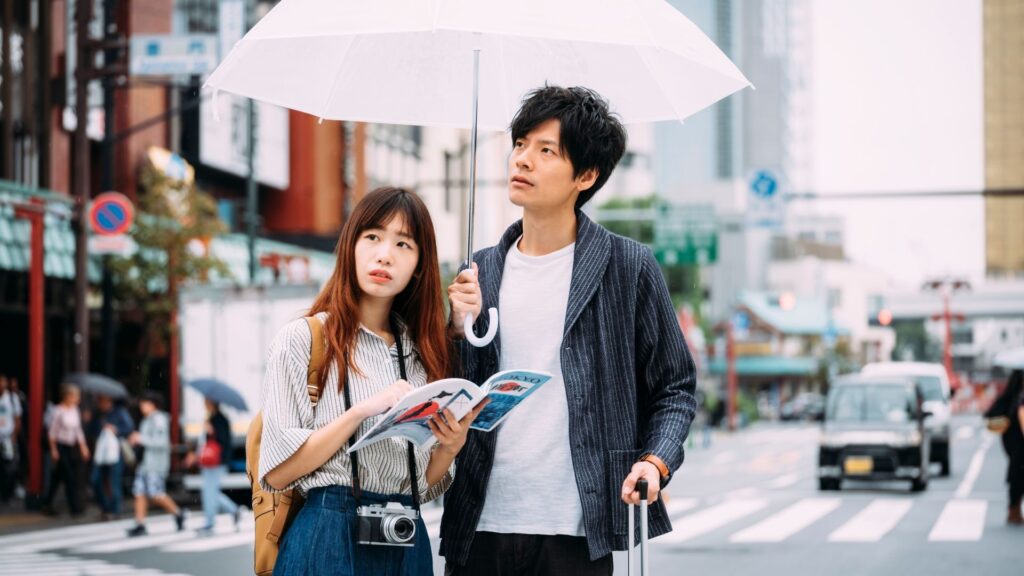
While there is enough in the city to keep you busy for years, sometimes you need a break from the concrete jungle. Fortunately, the rail network makes getting out of town incredibly easy.
If you want to see the iconic Mount Fuji, head to Hakone. It is about an 85-minute ride from Shinjuku. You can buy a pass which covers your transport on the train, cable car, and even the ropeway. On a clear day, the view is simply fantastic. It is a great spot to try onsen (hot springs) and enjoy a traditional dinner.
For a deep dive into history, head north to Nikko. The Toshogu Shrine is a UNESCO World Heritage site that is lavishly decorated. It is a bit of a trek, so we recommend leaving early in the morning. The autumn leaves here in November are legendary.
- The Crown Jewel of Entertainment: Asakusa Kaguwa
After a day of exploring temples and eating your way through the city, you might be looking for an evening entertainment option that encapsulates the spirit of Japan. This is where we want to introduce you to a hidden gem that has been leaving guests deeply impressed: Asakusa Kaguwa.
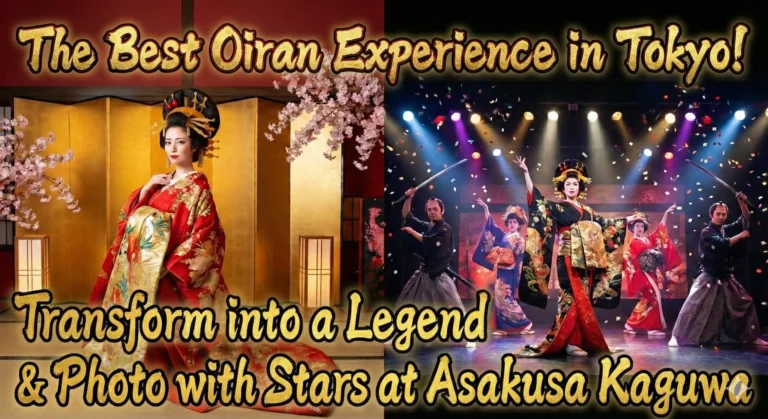
Located just a 6-minute walk from Asakusa Station, Asakusa Kaguwa offers a captivating Japanese-style show theater that will leave every guest deeply impressed. Step into a world where professional performers, adorned as enchanting oiran (courtesans), graceful geisha, and powerful samurai warriors, bring Japanese performing arts to life in a modern way.
Our 60-minute show features a variety of acts, including stunning dances and thrilling samurai sword fighting, all presented on a magnificent stage. This production is packed into an intimate space, ensuring everyone has a close up view.
What makes Kaguwa truly special is that it is a non-verbal show. This means that language barriers do not exist here. Whether you speak English, French, or no Japanese at all, the emotion and story are conveyed through movement and music. It is designed to be enjoyed by everyone, domestic and overseas visitors, and of any age.
The show combines the elegance of the past with modern staging technology. If you want to witness the dynamism of a sword fight up close and the dazzling beauty of a kimono parade, this is the place. It is a condensed, high-impact cultural injection that often becomes the highlight of a traveler’s trip.
You can book tickets via the website. We recommend reserving early as it can get fully booked, especially on weekends.
- When is the Best Time to Visit?
Japan has four distinct seasons, and the weather will dictate your itinerary. January and February are cold, but the skies are clear. March and April are the classic choice; cherry blossoms bloom, and the whole country turns pink. It is beautiful but requires booking hotels months in advance, and can be the most expensive time to visit.
May and June are pleasant, but June brings the rainy season with daily rain and rising humidity. July and August are hot and humid, so drink plenty of water. This is the festival and fireworks season. September and October can see typhoons, but late October brings cooler temperatures. November and December are spectacular for autumn foliage, especially in the gardens and countryside areas.
- Practical Tips and FAQ
Connectivity: Free Wi-Fi is becoming more common, but we highly recommend renting a pocket Wi-Fi or buying an eSIM to navigate maps and train schedules on the go. You will need it to check Google Maps for train connections.
Money: While credit cards are accepted in most department stores and hotels, many small restaurants and ticket machines still only take cash. Always carry some yen with you.
Etiquette: Japanese society is built on respect. Be quiet on trains, do not eat while walking, and always take your shoes off when entering a home or certain traditional inns.
Safety: Tokyo is incredibly safe. You will see people sleeping on trains with their phones in their hands. However, always use common sense.
Summary
Tokyo is a city of endless layers. You can spend a lifetime here and still discover something new every day. From the quiet majesty of its shrines to the futuristic pulse of its streets, it offers a travel experience that is both profound and exhilarating.
But if there is one piece of advice we can leave you with, it is to seek out those experiences that bridge the gap between the old and the new. That is why we highly recommend ending one of your nights in Asakusa. Visit the ancient Senso-ji, and then walk a few minutes to Asakusa Kaguwa. There, watching the samurai and geisha perform with such passion and precision, you will feel the true heartbeat of this incredible city.
Pack your bags, check your passport, and get ready for the trip of a lifetime. Tokyo is waiting for you.
Sources:
- Asakusa Kaguwa Official Site: https://www.asakusa-kaguwa.com/
- Japan National Tourism Organization (JNTO): https://www.japan.travel/en/
- Go Tokyo (Official Tokyo Travel Guide): https://www.gotokyo.org/en/