Asakusa is widely considered the soul of old Tokyo. Located in the Taito district of Tokyo, this district serves as a bridge between the Edo period and modernity. While many tourists visit during the humid heat of July or to see the autumn leaves in October, visiting in winter offers a unique and beautiful atmosphere. The crisp winter air is a welcome change from the summer, allowing for clear views of the city skyline and the nearby Tokyo Skytree.
In this guide, we will explore the many charms of Asakusa during the coldest months of the year, providing you with details on events, shopping, and delicious seasonal dishes that make this place a popular destination for travelers from around the world. Whether you are planning your first trip to Japan or you are a returning visitor, winter 2026 in Asakusa promises something spectacular.
1. The Historical Heart: Senso-ji and the Five-Story Pagoda
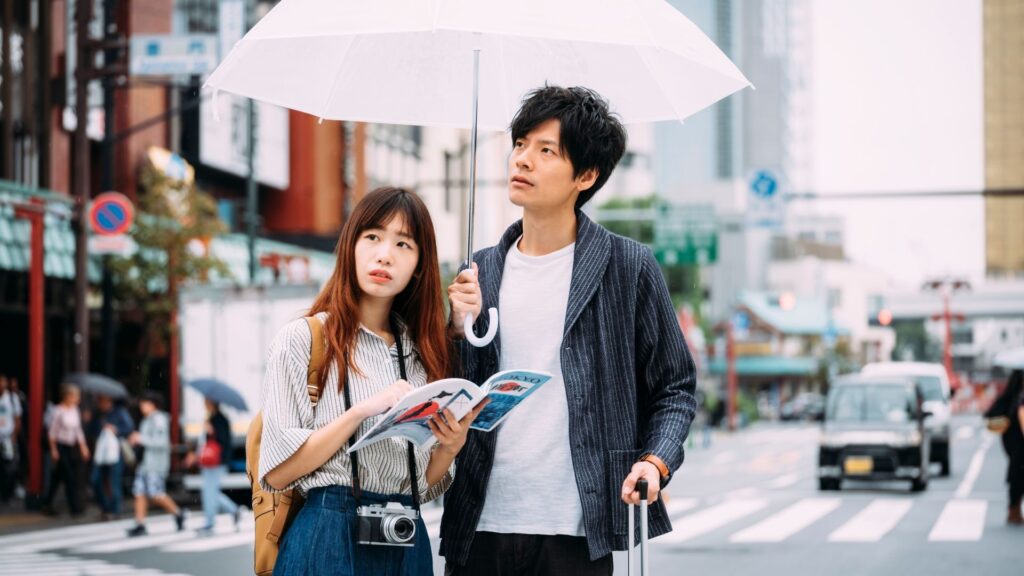
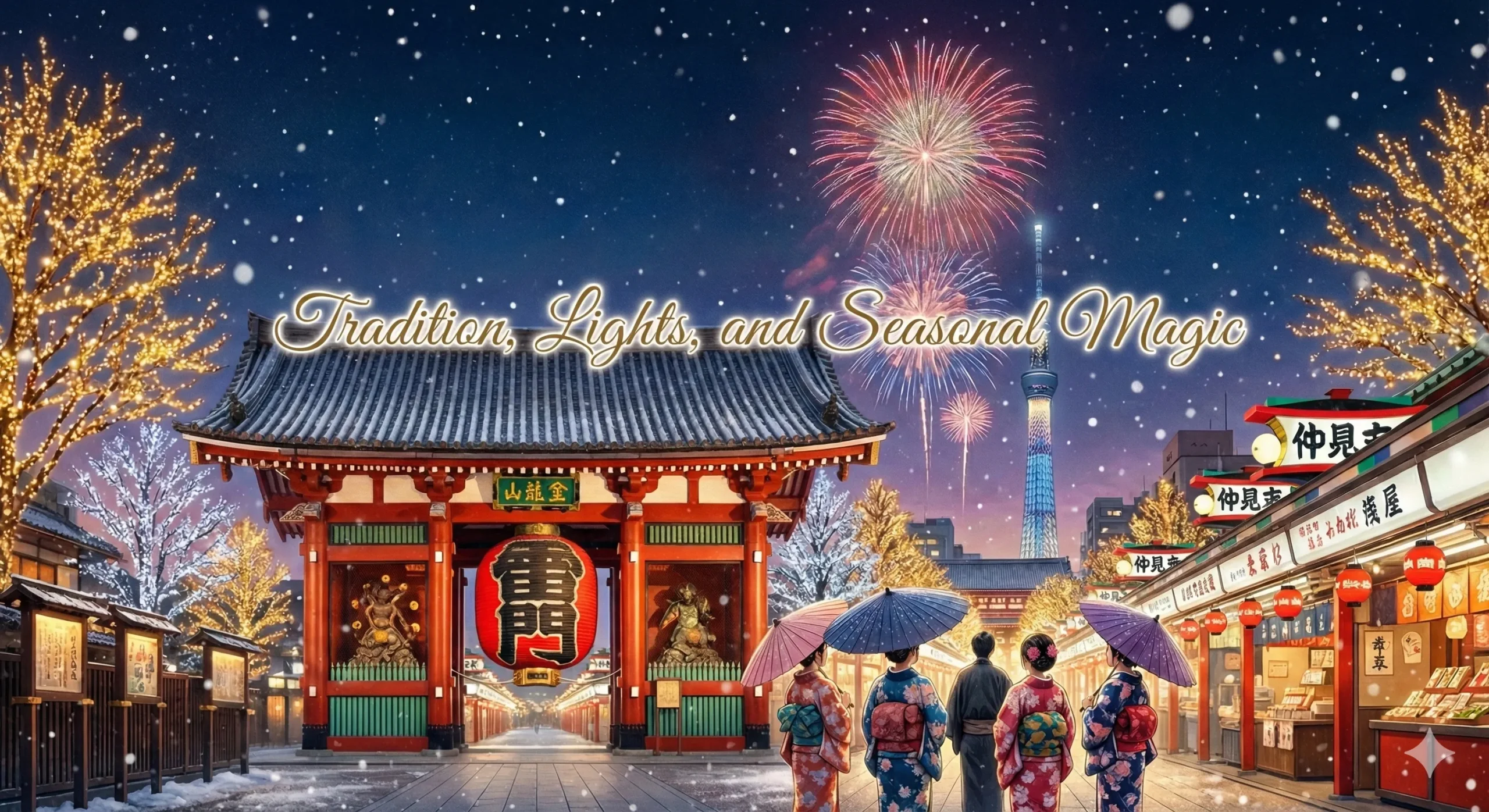
The center of sightseeing in Asakusa is undoubtedly the Senso-ji temple grounds. As the oldest temple in Tokyo, its history connects back to the seventh century, making it a powerful symbol of the city’s endurance. When you arrive at Asakusa station, it is only a few minutes’ walk to the main entrance, marked by the massive red lantern of the Kaminarimon gate.
One of the most impressive buildings on the site is the five-story pagoda. This structure is particularly beautiful during the daytime when the winter sun highlights its intricate architectural details. In addition to the pagoda, the various halls and gates across the grounds are illuminated at night, creating a peaceful atmosphere after the peak afternoon crowds have left. Taking a slow tour around the main hall allows you to feel the weight of centuries of tradition.
2. Winter Events and Traditional Festivals
Asakusa is a center for culture and tradition. Several selected activities are held during the winter seasons that you won’t find in modern districts like Shibuya or Shinjuku.
Hagoita Market in December
Held from December 17th to 19th, this festival features ornate wooden paddles called hagoita. These are decorated with silk, paint, and sometimes images of famous kabuki actors or anime characters. A cup of hot amazake is perfect to warm your hands and yourself while walking around the winter market.
New Year and Hatsumode
On the night of December 31st, the temple rings its large bell 108 times. January 1st to 3rd are the busiest days of the year, as millions of people visit for Hatsumode, the first prayer of the year. During this period, the temple grounds remain open for extended hours to accommodate the surge of visitors.
3. Winter Illuminations and Nightly Charms
As the day turns to night, Asakusa transforms into a magical landscape. The winter nights in Tokyo are famous for their lights, which benefit from the dry, clear sky common in this region.
The Lanterns of Nakamise
The large lanterns at Kaminarimon and the light from the stalls along Nakamise Street create a nostalgic scene. This area is highly recommended for aesthetic photos, as the soft glow provides a perfect backdrop.
Sumida River and Skytree Views
A short walk from the temple grounds leads you to the Sumida River. Here, you can see the Tokyo Skytree featuring special winter lighting colors. The reflection of the tower on the water is spectacular, especially from the quiet vantage points in Sumida Park.
4. A Gourmet Winter: Savor the Taste of Asakusa
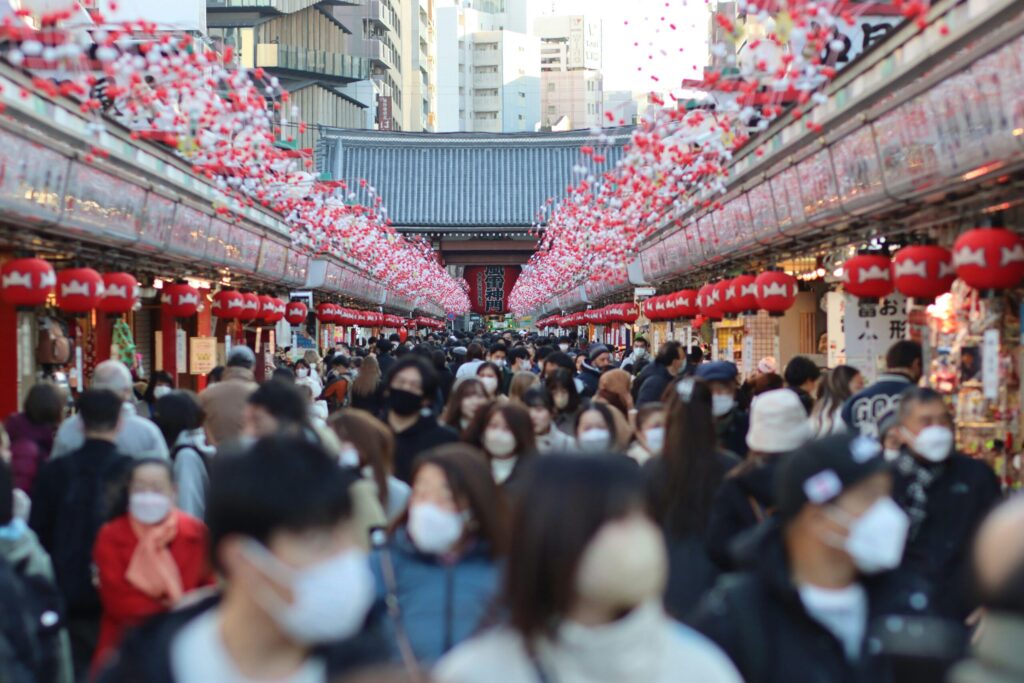
The cold air makes people crave hot and delicious food. Asakusa is a leading destination for traditional Japanese-style dining.
The Best Beef Sukiyaki and Hot Pot
One recommended dish to try is beef sukiyaki. Asakusa has several renowned restaurants that have been serving high-quality beef for over 100 years. The rich aroma of the simmering broth connects the diners to the culinary history of the area.
Traditional Snacks and Warm Drinks
- Fresh Tempura: The smell of sesame oil fills the air as chefs deep-fry shrimp and vegetables.
- Hot Matcha: Rest in a traditional tea house serving hot matcha and seasonal sweets.
- Sake and Bars: Savoring a hot cup of sake while wearing a warm kimono is a favorite winter activity.
- Coffee Culture: Numerous retro coffee shops offer a warm, nostalgic space to relax.
5. Entertainment and Amusement: Hanayashiki and Beyond
Asakusa caters to many interests, from traditional art to modern entertainment.
Hanayashiki Amusement Park
Recognized as the oldest amusement park in Japan, Hanayashiki takes on a nostalgic charm in winter. During the holidays, the park features special decorations that make it a favorite for families.
Cultural Performances and Crafts
The Asakusa Public Hall is a major venue for traditional performances. You can also find workshops for Japanese-style crafts, such as glass art or woodblock printing.
Asakusa Kaguwa Show
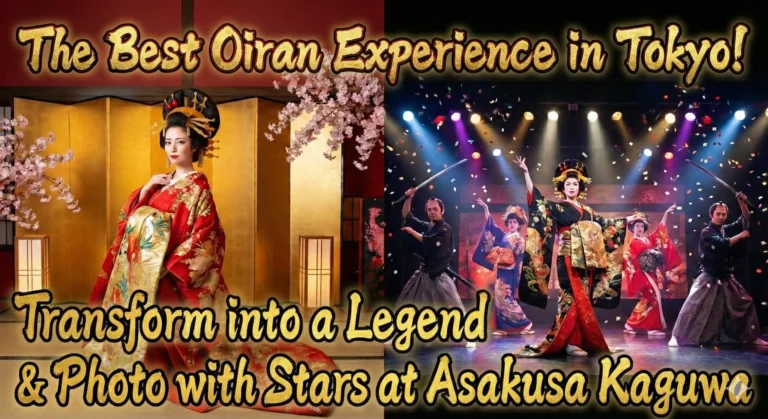
Located close to the ROX building, this theater brings history to life through dance and action. With samurai, geisha, and oiran performers, it’s a high-energy show that transcends language barriers.
6. Global Access and Visitor Support
Asakusa is a global hub. To improve the visitor experience, many attractions provide signboards and message displays in various languages, including English, Spanish, French, German, Italian, and Korean. The local hospitality and multilingual resources make it easy for travelers from all over the world to navigate the district.
7. Practical Tips for Your 2026 Winter Trip
- Transportation: Asakusa station connects directly to Ueno, Ginza, and Shibuya. The Tsukuba Express and other lines also make regional travel to places like Nikko very accessible.
- Accommodation: Staying locally allows you to visit the temple grounds early in the morning before the crowds arrive.
- Weather and Clothing: Tokyo winters are dry and cold. Wearing thermal layers and carrying “kairo” (heat packs) is highly recommended for outdoor exploration.
Summary of a Perfect Winter Day in Asakusa
- Start early at Asakusa Station and walk to the Senso-ji grounds.
- Admire the Five-Story Pagoda in the crisp morning air.
- Browse Nakamise Street for unique crafts and souvenirs.
- Enjoy a hot beef sukiyaki lunch at a century-old restaurant.
- Visit Hanayashiki or join a craft workshop in the afternoon.
- At sunset, head to the Sumida River for Skytree views.
- End your night at a traditional bar with hot sake.