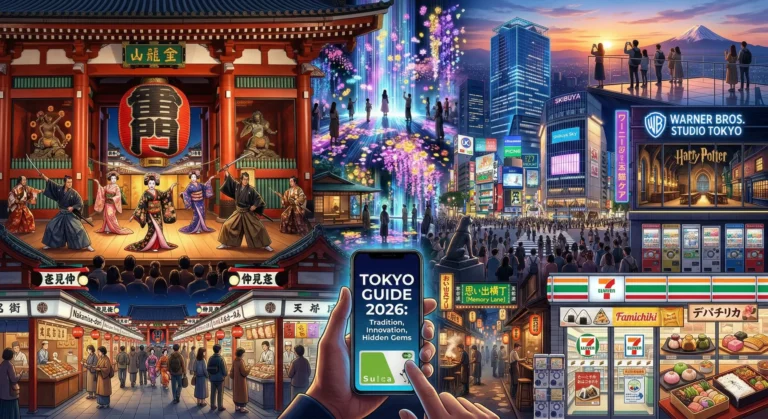

Tokyo is a city that never stops moving, but if you look in the right places, you can find a world where time seems to slow down. Asakusa is exactly that place. Known as the soul of old Tokyo, this district offers a unique depth that rewards those who take the time to explore its narrow streets and hidden corners.
In 2026, the area has seen a fabulous return of energy, blending the original spirit of the Edo period with modern convenience. Whether you are arriving for the first time or visit regularly, this guide is designed to help you navigate the best attractions, from the sacred Sensoji Temple to the high-energy cabaret show at Asakusa Kaguwa.
Getting to Asakusa: Logistics and Arrival
Planning your journey often starts with local transport. For many international travelers, your first point of contact will be Haneda or Narita airport.
- From Haneda: The journey is simple and usually takes less than an hour by express train.
- From Narita: The Keisei Skyliner offers a fast route to the city center.
- At the Station: Once you arrive at Asakusa Station, you will find the Tobu line, JR lines, and subway lines all in close proximity.
Pro Tip: Check maps within the station or use smartphone apps to find the best exit. Most stations and malls now offer free Wi-Fi to help you navigate.
Iconic Entrances: Kaminarimon and Nakamise Street
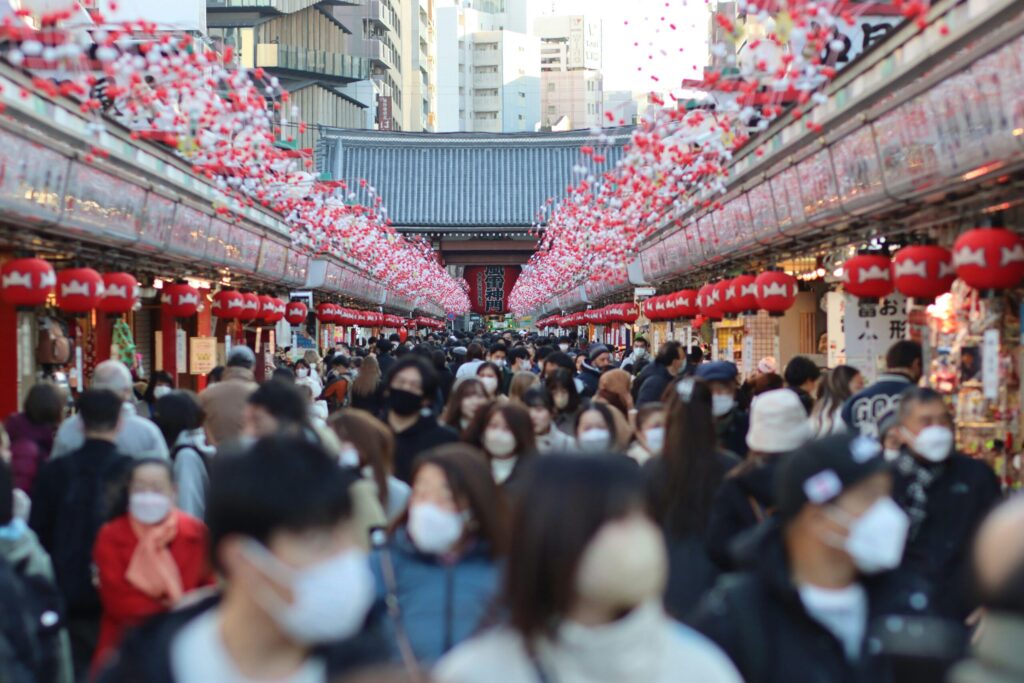
A typical Asakusa tour starts at Kaminarimon (Thunder Gate). This massive landmark features a giant red lantern flanked by the gods of wind and thunder. Passing through leads you into Nakamise-dori, one of Japan’s oldest shopping streets.
Local Flavors to Try:
- Ningyo-yaki: Sweet red bean cakes shaped like traditional characters.
- Senbei: Freshly toasted rice crackers.
- Matcha Sweets: Various treats featuring high-quality green tea.
Most snacks are priced between ¥100 and ¥1,000, making it easy to sample everything. Arrive around 8:00 AM to enjoy the atmosphere before the peak midday crowds.
The Spiritual Heart: Sensoji Temple and Asakusa Shrine
At the end of Nakamise-dori stands Sensoji Temple, Tokyo’s oldest temple.
- Purification: Stop at the large incense burner and wave the smoke over yourself for good health.
- Prayer: Inside the main hall, you can offer a quiet prayer.
- Fortune: Pull an omikuji (fortune). If it’s “bad luck,” tie it to the metal racks to leave it behind.
Just north is the Asakusa Shrine, a Shinto site dedicated to the temple’s founders. In spring, this is a “fabulous” spot to view Sakura (cherry blossoms) away from the densest crowds.
Specialty Districts and Entertainment
Kappabashi Kitchen Town
A 10-minute walk from the temple, this is paradise for foodies. You’ll find:
- Professional-grade Japanese knives.
- Realistic plastic food samples (some shops offer DIY workshops!).
- Unique ceramics and specialized cookware.
Hanayashiki Amusement Park
Founded in 1853, this is Japan’s oldest amusement park. It has a charming, retro Showa-era feel. The legendary roller coaster actually zips past residential buildings! It’s a perfect, nostalgic break for families and couples.
Sumida Riverside
Stroll toward the river for the best views of the Tokyo Skytree and the Asahi Beer Headquarters (famously topped with the “Golden Flame”). From the pier, you can board a water bus to Odaiba or Ginza.
Traditional Entertainment: Asakusa Kaguwa Theater
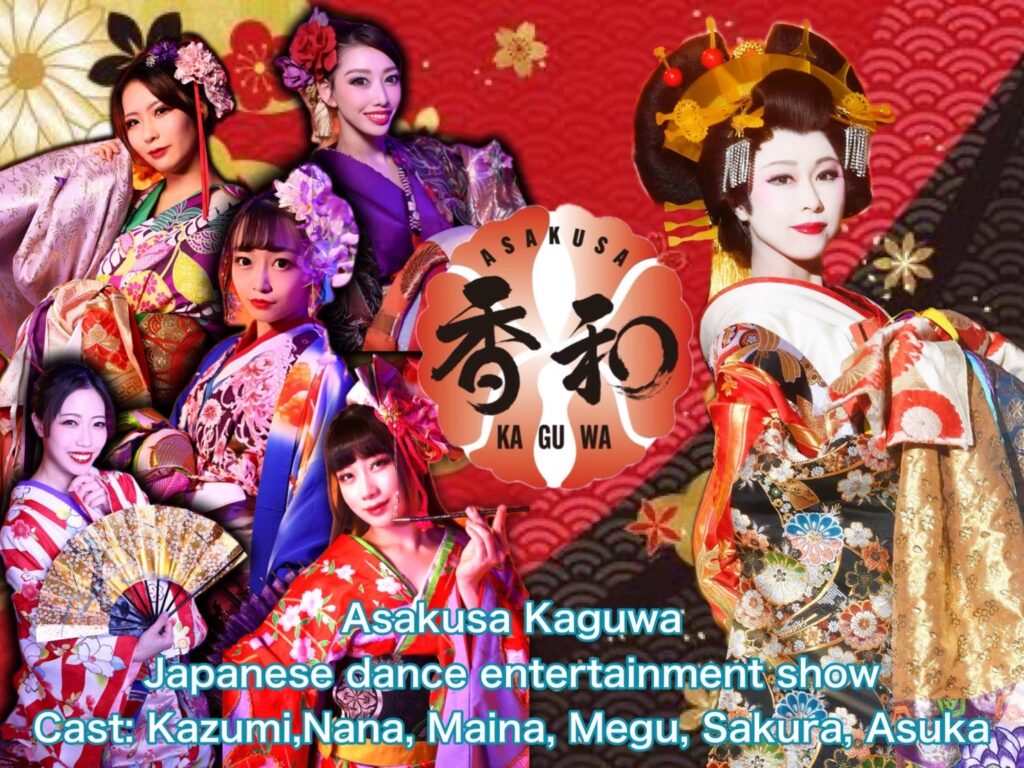
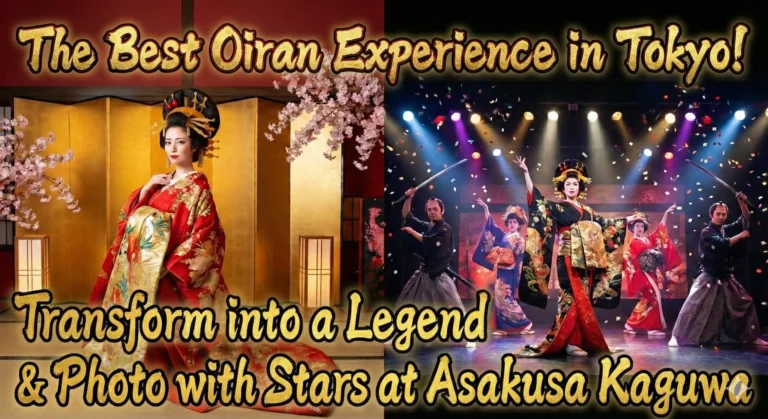
While the temples represent history, Asakusa Kaguwa represents the living spirit of the district. This Japanese-style show theater is a 6-minute walk from the station.
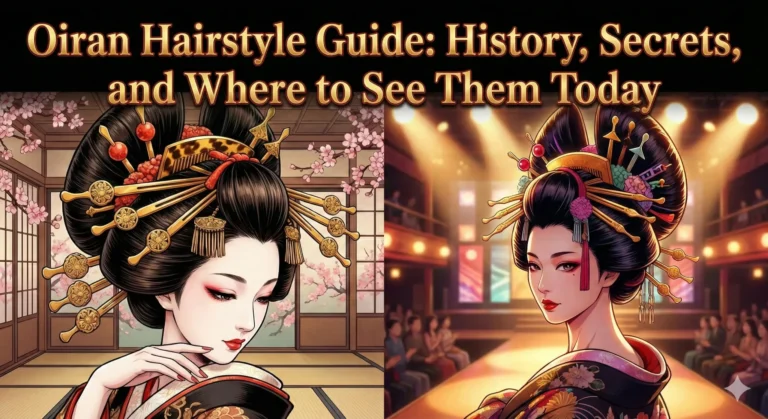
- The Experience: A 60-minute non-verbal show featuring Samurai, Geisha, and Oiran courtesans.
- Visuals: High-energy dance and thrilling sword fighting.
- Accessibility: Perfect for international guests as no Japanese language skills are required.
- Schedule: Shows typically start at 5:00 PM and 8:00 PM.
| Seat Type | Approx. Price | Includes |
| Standard | ¥6,600 | 1 Drink |
| VIP/Premium | ¥11,000 – ¥22,000 | Food, All-you-can-drink, Photo with cast |
Frequently Asked Questions (FAQ)
Is there luggage storage at the station?
Yes. Coin lockers (¥300–¥700) are available at the Ginza and Tobu lines. You can also use services to book storage at convenience stores like Seven-Eleven.
Can I walk to the Tokyo Skytree?
Yes! It’s a pleasant 15–20 minute walk via the Sumida River Walk pedestrian bridge.
What is the temple etiquette?
Bow slightly at the gate, purify your hands at the water basin, and toss a coin for prayer. Note: At Buddhist temples like Sensoji, you do not clap.
Are there dietary-friendly food options?
Absolutely. In 2026, Asakusa is very inclusive. You can find Halal-certified ramen, vegetarian “monk’s cuisine” (sho-jin ryori), and vegan-friendly cafes throughout the district.
FOOTNOTES AND SOURCES
1. Asakusa Kaguwa Official Information Website [https://www.asakusa-kaguwa.com/](https://www.asakusa-kaguwa.com/)
2. Japan Travel Guide Asakusa Area Overview [https://www.japan-guide.com/e/e3004.html](https://www.japan-guide.com/e/e3004.html)
3. Official Tokyo Travel Guide Go Tokyo Asakusa Destinations [https://www.gotokyo.org/en/destinations/eastern-tokyo/asakusa/index.html](https://www.gotokyo.org/en/destinations/eastern-tokyo/asakusa/index.html)
4. Asakusa Nightlife and Culture Guide [https://www.asakusa-kaguwa.com/en/2202/](https://www.asakusa-kaguwa.com/en/2202/)
5. Tokyo Travel and Etiquette Tips 2026 [https://matcha-jp.com/en/979](https://matcha-jp.com/en/979)