Introduction: Unveiling the Mystique of the Oiran
Have you ever been captivated by the majestic and vibrant imagery of a high-ranking Japanese courtesan, known as Oiran? The search term “oiran clothing” often leads people down a fascinating rabbit hole, revealing a world of traditional Japanese fashion and culture. Unlike the perhaps more widely known geisha, the Oiran of the Edo period (1603-1868) were the pinnacle of beauty, arts, and expensive pleasure within the restricted red-light districts, such as Yoshiwara in Tokyo and those in Kyoto.
But what truly set the Oiran apart was their dramatic and lavish attire. An Oiran’s ensemble was not merely a kimono; it was a dazzling statement of social status, wealth, and artistry. Literally making them a walking work of art. Their clothing was heavier, more numerous in its layers, and infinitely more elaborate than that worn by virtually any other women of the time, including the geisha. This distinction is crucial, as the two professions—Oiran and Geisha—are frequently confused, yet their roles, status, and wear were fundamentally different.
Let’s delve into the rich history of the Oiran, and dissect the key components of their iconic attire, from the multi-layered kimono and distinctive obi to the towering geta and ornate kanzashi accessories. If you are eager to learn the subtle yet profound differences between the dazzling display of the Oiran and the more subdued elegance of the geisha, and understand the cultural legacy of these highly skilled entertainers, read on. We’ll explore the world of the Oiran and offer a modern way to experience their dazzling artistry today.
The History of the Oiran: More Than Just Courtesans
To fully appreciate the striking nature of Oiran clothing, we must first understand the context of the Oiran themselves. The history of this profession originated in the early Edo period, primarily in the licensed pleasure districts of major cities like Edo (now Tokyo) and Kyoto. These women, who were high-ranking courtesans, were considered the highest rank of yūjo (pleasure woman), a distinction that set them far above common prostitutes. Their services extended far beyond the sexual; they were highly skilled entertainers in the classical Japanese arts.
The term “Oiran” itself is said to have originated from the phrase “oira no tokoro no neesan” (older sister of our place), signifying their leadership and lofty status within the district. Unlike many other women of the time, the Oiran were exceptionally well-educated. They underwent rigorous training from a young age in traditional arts like ikebana (flower arranging), music (playing instruments like the shamisen and koto), dance, poetry, and calligraphy, often taking several years to achieve mastery. This demanding level of skill and cultural knowledge made them exclusive companions for the wealthiest and highest rank of men, including powerful samurai and affluent merchants.
A key point of difference to grasp is the method of engagement. A common prostitute could be accessed directly. However, to spend time with an Oiran was an elaborate and extremely expensive process. Customers could not simply walk in; they had to be wealthy, well-connected, and follow a strict etiquette known as sashikomi. Often, several formal visits were required before a client was even allowed to speak to her. This exclusivity and the high barrier to entry further cemented the Oiran’s unique and prestigious status in society.
Their prominence began to decline in the late Edo period. The rise of the geisha, who were pure entertainers and typically not involved in sexual services, provided a simpler, less expensive, and more accessible alternative for companionship. The geisha’s focus on simple elegance and artistic skill began to overshadow the Oiran’s flashy display. The final blow came with the Anti-Prostitution Law of 1957, which effectively ended the institution of the Oiran. However, their cultural legacy and the mesmerizing image of their clothing and the grand dochu (processional walk) continue to be celebrated in modern Japan.
Oiran Clothing: An Exploration of the Iconic Attire
The central element of the Oiran’s identity was her magnificent, elaborate, and instantly recognizable clothing. This was not the simple kimono of other women at the time; it was a complex masterpiece designed to display wealth, status, and undeniable beauty.
The Kimono: Layers of Opulence
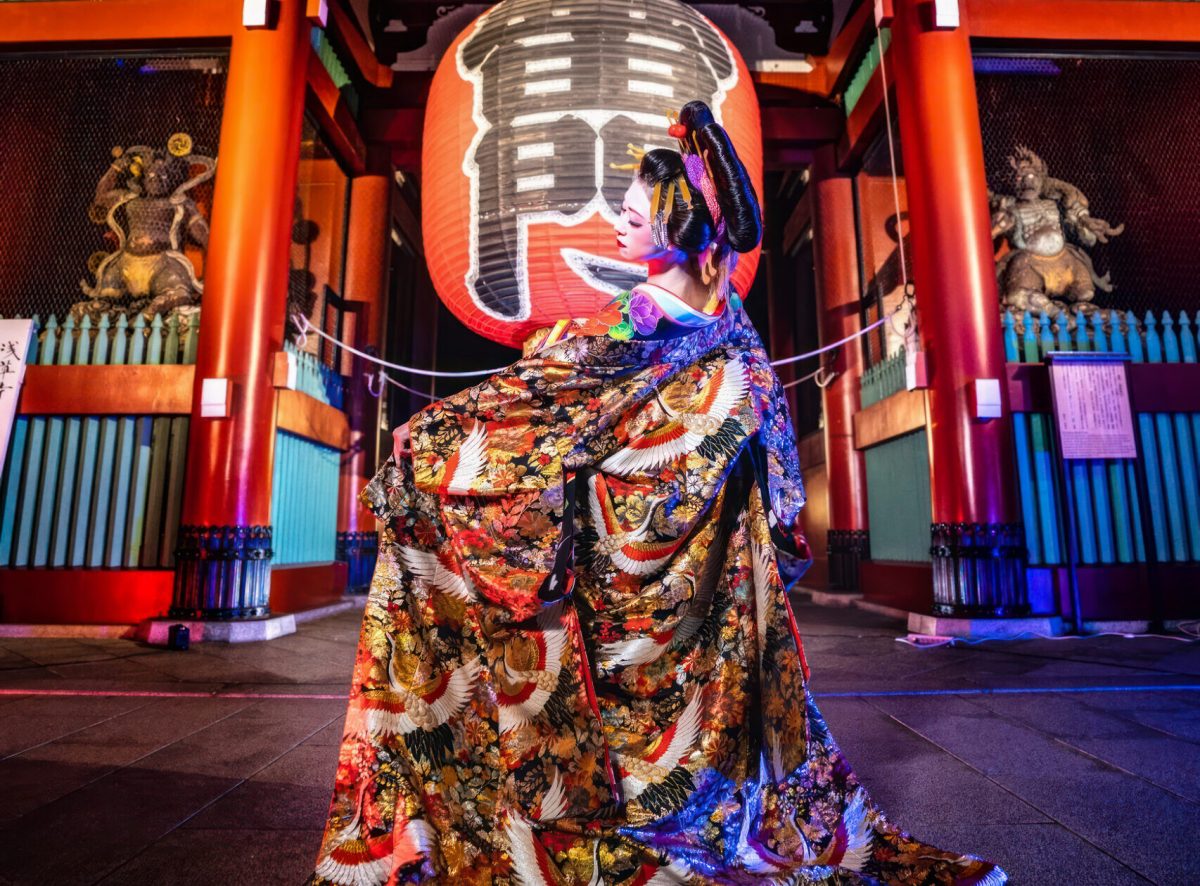
The Oiran’s kimono was worn in numerous layers, often five to seven, or even more, which contributed significantly to the outfit’s incredible weight, which could easily weigh up to 20 kilograms (44 pounds). These layers were made of the finest, most expensive silks and brocades, featuring vivid patterns and elaborate embroidery of gold, silver, and colorful threads. The outermost layer, or uchikake, was a heavy, formal over-robe, worn unbelted and trailing the floor. Unlike the more restrained colors of a geisha’s kimono, the Oiran’s had flashy, bold, and luxurious colors—often incorporating red, gold, and intricate designs of flowers and nature. This excessive layering was a direct reflection of her elite position; only the highest rank could afford such extravagance.
The Obi: Tied in the Front
One of the most defining and culturally significant features of Oiran clothing was the way the obi (sash) was tied. Unlike the kimono worn by virtually all other respectable women in Japan, including geisha, whose obi is tied in the back, the Oiran tied their obi in the front. There are several historical theories behind this unique fashion choice, but the most widely accepted one is that it was simply a matter of practicality, making it easier for the Oiran to dress and undress herself frequently due to the nature of her work. This visible difference immediately and unambiguously marked her as a high-ranking courtesan of the pleasure district. The obi itself was typically very wide, richly embroidered, and made of the same expensive materials as the kimono.
The Headpieces: Kanzashi and Elaborate Hairstyles
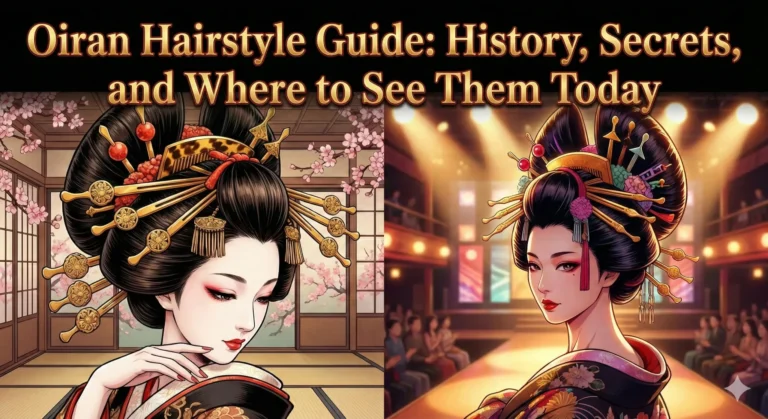
The Oiran’s elaborate hairstyle, often a large, highly stylized chignon called date-hyogo, was adorned with an overwhelming number of ornamental hairpins, known as kanzashi. It was common for an Oiran to wear between 15 and 20, or even more, hairpins—a dazzling and heavy display of her wealth and status. These accessories were made of tortoiseshell, coral, jade, or precious metals like gold, often featuring intricate carvings or hanging flower decorations. The sheer quantity of these ornaments contrasted sharply with the more subtle and fewer kanzashi worn by a geisha, whose simplicity was key to their aesthetic.
The Footwear: Towering Geta
Another unmistakable element of the Oiran’s look was her specialized footwear, the exceptionally tall and heavy geta (wooden sandals). These geta were usually made of lacquered black wood and had three teeth (ashi). They were so tall (sometimes reaching 30 cm or more) and heavy that the Oiran could not walk normally. Instead, they adopted a distinctive, rolling gait known as the suriashi or hachimonji walk, particularly during the famous Oiran dochu (parade/procession). This slow, deliberate, and highly theatrical walking style emphasized her prestige and the formality of her appearance, further distinguishing her from the lower-ranked women who wore lower shoes or went bare foot with socks like tabi.
Oiran vs. Geisha: Unpacking the Differences
The most common point of confusion for those exploring Japanese culture is the true difference between the Oiran and the geisha. While both were accomplished entertainers and integral figures in Edo society, their roles, status, and, most visibly, their clothing and appearance were poles apart. Understanding these distinctions is key to appreciating the Oiran’s unique place in history.
| Feature | Oiran (花魁) | Geisha (芸者) |
| Primary Role | High-ranking Courtesan & Artist | Artist & Party Companion |
| Sexual Contact | Expected (Exclusive, after ritual) | None (Explicitly forbidden) |
| Appearance/Dress | Elaborate, Flashy, Multi-layered Kimono | Elegant, Simple, Single or few layers Kimono |
| Obi Knot | Tied in the front | Tied in the back |
| Geta/Shoes | Extremely tall, lacquered geta (three-toothed) | Lower okobo or flat zori shoes |
| Hair Accessories | Numerous, heavy kanzashi (15-20+) | Fewer, lighter kanzashi |
| Social Status | Highest rank of yūjo (pleasure woman); expensive | Skilled entertainer; high cultural status |
| Customer Selection | Oiran chose the customers (sashikomi) | Clients could hire directly |
The Aesthetic Contrast: Flashy vs. Subtle
The clothing of the Oiran was designed to be deliberately flashy and attention-grabbing. Her style was that of a powerful, walking monument to wealth and beauty. The multiple layers of vibrantly colored kimono, the heavy gold embroidery, and the dizzying array of hairpins were a dramatic statement of her exclusivity and the expensive nature of her world. This aesthetic choice was intrinsically tied to her status as a supreme courtesan in the licensed quarters.
In stark contrast, the geisha’s attire emphasized refined elegance and simplicity. Her kimono would be subtly patterned, focusing on seasonal themes and impeccable tailoring, rather than pure ostentation. Her obi was tied in the back, and her hair ornaments were fewer and more delicate. The geisha was a master of arts and conversation, and her modest, tasteful wear reflected her profession as a dedicated entertainer, who lived in the hanamachi (flower districts).
The Cultural Context: Prostitution vs. Art
The fundamental difference lies in their work and cultural purpose. While the Oiran was the highest rank of prostitute, a skilled woman who also provided entertainment, the geisha was an accomplished artist of the social scene. This led to the ultimate decline of the Oiran, as the public’s desire shifted toward the geisha’s less complicated and more focused art. The modern-day Tayū in Kyoto is an example of an artist who seeks to continue the Oiran’s traditions, focusing solely on the traditional arts and ceremonial aspects, without the sexual services.
The Oiran in Pop Culture: Demon Slayer and Modern Fascination
The dramatic beauty and intricate clothing of the Oiran have transcended history to become a compelling subject in modern Japanese pop culture. One of the most significant recent examples is the anime and manga series Demon Slayer: Kimetsu no Yaiba, particularly the “Entertainment District Arc” (known in Japan as Yūkaku-hen).
The arc takes place within the vibrant Edo-period pleasure district of Yoshiwara, where the series’ main characters go undercover. This arc features several women dressed in elaborate attire that strongly evokes the style of the high-ranking Oiran and their attendants. While the characters shown are often high-level courtesans, the series captures the unique atmosphere of the district and the visual spectacle of the clothing—the multi-layered kimono, the heavy kanzashi accessories, and the aura of elegance and mystery that surrounded these highest rank entertainers.
Demon Slayer has introduced the concept of the Oiran and the history of the licensed quarters to a massive international audience, sparking a modern interest in this specialized traditional Japanese culture. For many fans, the visual impact of the anime serves as a guide to understanding the opulence and fashion of the Edo period, further ensuring the legacy of the Oiran continues to be recognized today. This popular exposure highlights that the Oiran remains a potent and evocative figure, celebrated for her beauty and dramatic dress.
Oiran’s Cultural Legacy and Modern Day Experiences
The dazzling image of the Oiran is far from lost. Her legacy persists as a powerful symbol of Japanese beauty, fashion, and the complex history of the Edo period. The key components of Oiran clothing continue to inspire modern fashion and are a popular subject in art, kabuki theater, and festivals across Japan.
Oiran Dochū: A Spectacle That Lives On
Perhaps the most iconic representation of the Oiran is the Oiran Dochū (courtesan’s procession). This was a spectacular, slow-motion walk from the Oiran’s house to a tea house where a client was expected to be waiting. The procession was a massive, highly anticipated event, with the Oiran herself at the center, accompanied by her young apprentice kamuro and other attendants. Dressed in her full, heavy attire and navigating the street with her towering geta, the Dochū was the ultimate display of her prestige and a rare glimpse of her magnificent clothing for the common people.
Today, this procession is recreated as a cultural event in festivals like the Bunsai-Tayū Douchu in Kyoto and the Oiran Douchu in various Tokyo areas, including Asakusa. These modern recreations honor the traditional arts and the elegance of the Oiran, allowing people to witness the stunning dress and the distinct walking style.
Experiencing Oiran Culture Today
For those people who want to get a close-up experience of the Oiran’s cultural legacy, there are several ways. Photo studios in Kyoto and Tokyo offer Oiran transformation services, allowing you to be dressed in the iconic multi-layered kimono and elaborate accessories for a memorable photo shoot.
However, a truly captivating, live entertainment experience that brings the spirit of traditional Japanese culture to today’s time can be found at places like Asakusa Kaguwa.
Experience the Artistry and Elegance: The Kaguwa Show
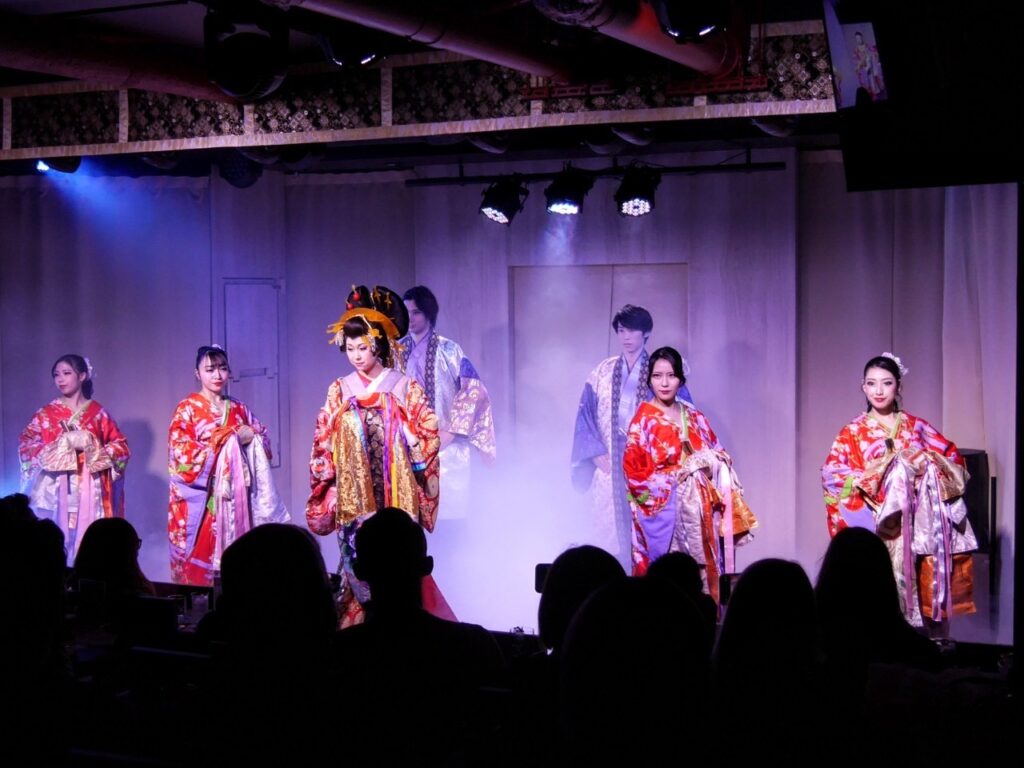
The allure of the Oiran—their exquisite clothing, dramatic flair, and mastery of Japanese arts—is perfectly captured in the thrilling performances at Asakusa Kaguwa.
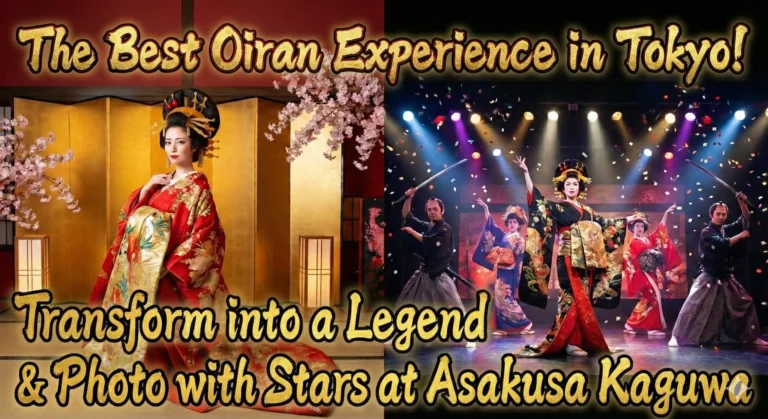
Asakusa Kaguwa is a dynamic Japanese-style show theater located just a 2-minute walk from Asakusa Station in Tokyo. Here, professional entertainers embody the spirit of the Oiran, geisha, and samurai in a captivating 60-minute, non-verbal show. You can witness the vibrant culture and stunning traditional attire firsthand, experiencing the elegance of Japanese dance and the excitement of sword fighting, all without any language barrier.
If you are traveling through Asakusa and seeking a high-quality, authentic Japanese entertainment experience that reflects the legacy of the Oiran and other iconic figures, Asakusa Kaguwa is the perfect place. It’s a spectacular way to engage with the history and beauty of Oiran clothing and the arts they perfected, making it a must-see for anyone interested in Japan’s rich past and vibrant today.
Visit Asakusa Kaguwa for an unforgettable experience: https://www.asakusa-kaguwa.com/
Q&A: Your Top Questions on Oiran Clothing Answered
Q1: Was Oiran clothing the same as a Geisha’s kimono?
A1: No, the clothing was distinctly different. The Oiran’s clothing was much heavier, consisting of multiple layers of brightly colored, richly embroidered, and very expensive silk kimono, worn with the obi tied in the front. Geisha’s kimono was simpler, fewer in layers, more subdued in pattern, and worn with the obi tied in the back. These differences immediately signified their distinct social roles.
Q2: Why did Oiran wear such tall geta?
A2: The Oiran wore extremely tall, lacquered geta (wooden sandals) as a symbol of their high rank and wealth. These geta required a special, slow, and elaborate walking style (hachimonji walk) that was integral to the Oiran Dochū (procession), further adding to their prestige and unique visual presence.
Q3: Are there Oiran today?
A3: The original Oiran profession ended in the 1950s. However, the tradition continues in a non-sexual artistic form with the Tayū in Kyoto. Additionally, cultural events and festivals, such as the Oiran Dochū in Asakusa and elsewhere, recreate the magnificent procession and the stunning attire to honor the historical and cultural legacy.
Summary: The Enduring Splendor of Oiran Clothing
The world of Oiran clothing is a testament to the stunning beauty, intricate history, and complex social stratification of Edo Japan. Her attire, characterized by numerous layers of expensive kimono, the front-tied obi, and towering geta, was a deliberate, flashy statement of status that set her completely apart from all other women, including the geisha. Furthermore, modern pop culture hits like Demon Slayer have cemented the Oiran’s image for a global audience, ensuring her visual legacy endures today.
While the original Oiran profession is a part of the past, her magnificent legacy lives on through cultural events and in live theater entertainment that celebrates her arts. We encourage you to seek out this living history. A spectacular example is the traditional Japanese-style show at Asakusa Kaguwa in Tokyo, a perfect way to experience the drama and elegance of these iconic figures today.