Asakusa, Tokyo, stands as a vibrant and essential bridge between Japan’s rich, Edo past and its dazzling, modern future. If you are planning your Japan travel itinerary, seeking things to do in Tokyo that offer a deep dive into Japanese culture, look no further than this historic district. From the iconic Kaminarimon to the soaring Tokyo Skytree, Asakusa offers a unique experience unlike any other area in the city. This comprehensive guide, updated for 2026, will give you the most comprehensive plan for an unforgettable visit, packed with local secrets and must-see attractions. We think you will really enjoy your trip here.
The keyword “things to do in Asakusa Japan” often leads to generic lists, but our aim here is to go beyond the usual tourist spots. We have included unique insights and local gems to make your trip truly special, ensuring you have the best experience this city has to offer. This plan details each thing to do for a full day of sightseeing. We have detailed three key areas to head to, and we will guide you through each. The weather is generally comfortable for most of the year including winter, though it may be hot and humid in the summer. Every year, millions of tourists visit Asakusa, making it one of the most seen places in Japan.
Asakusa’s Enduring Cultural Heart: Sensoji Temple and Nakamise-dori
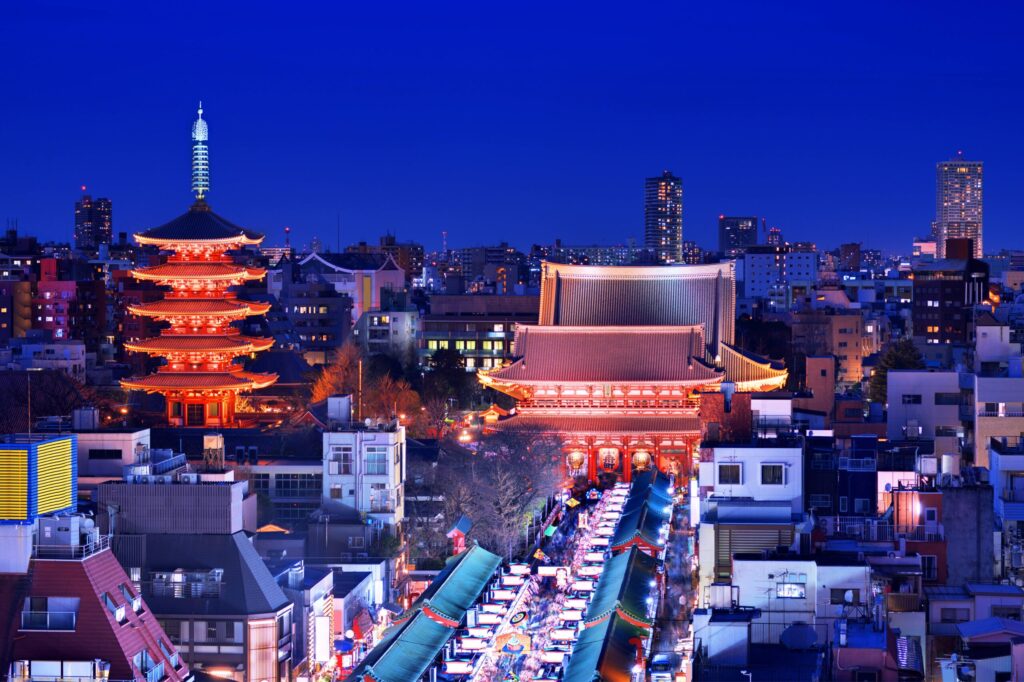
The moment you exit Asakusa station, you’re immediately immersed in a sense of history. The district’s main attraction, and the most popular spot, is the magnificent Sensoji Temple. This is Tokyo’s oldest temple, built for the goddess of mercy, Kannon. This is the first place you should head. It’s best to start early before the public crowds come; the atmosphere is far better for visiting. Once you enter the main temple area, you will see detailed information boards of this important cultural and spiritual site.
Kaminarimon: The Golden-Age Icon
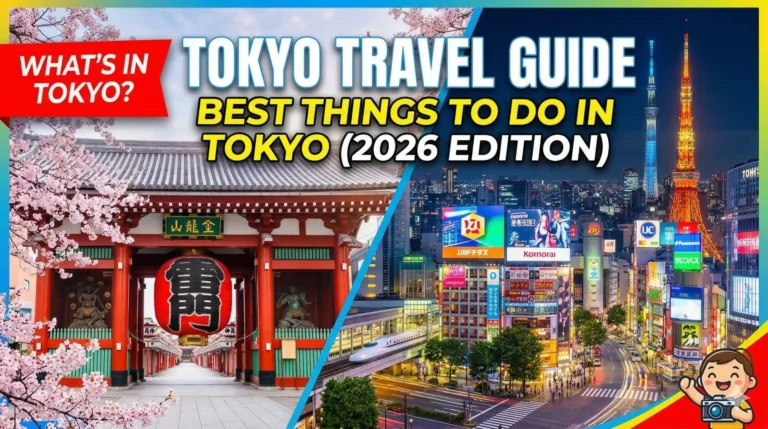
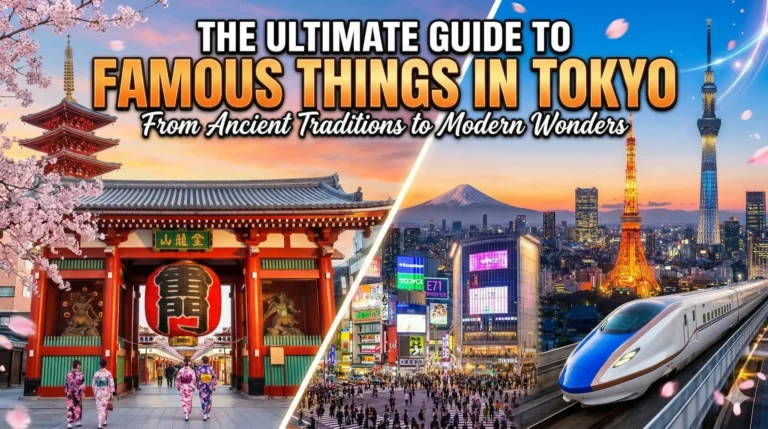
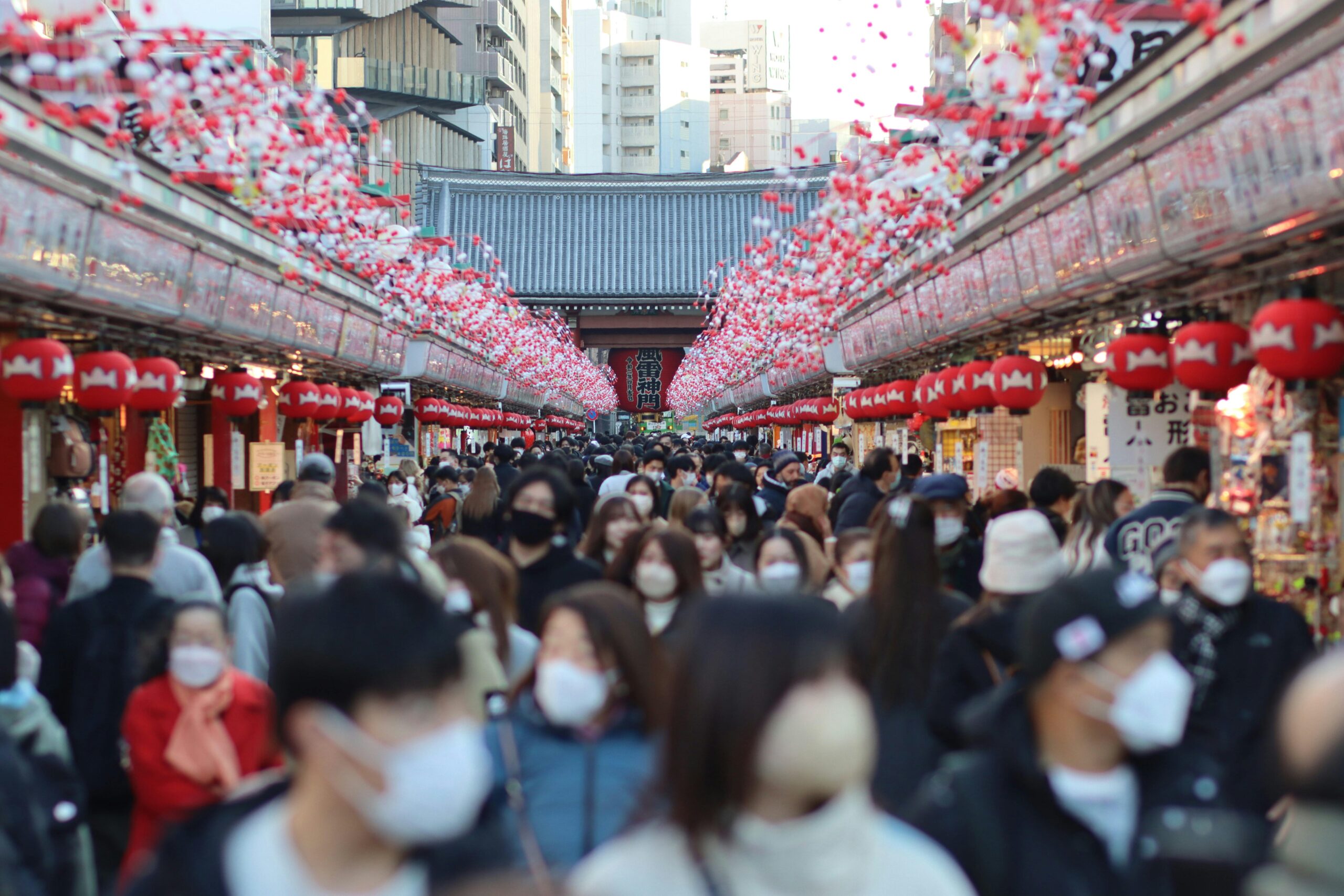
Your journey begins at the towering Kaminarimon, or “Thunder Gate.” This massive red gate was originally designed to stand as a powerful symbol. It houses imposing statues of the god of wind (Fūjin) and the god of thunder (Raijin), which were placed behind the front pillars. Don’t forget to snap a picture of the famous, giant red lantern hanging in the centre—it’s a truly unforgettable sight. The Kaminarimon we see today is a 1960 reconstruction, but the history of a gate on this site goes back hundreds of years, spanning each century of the city’s growth. Nearby is the Asakusa Culture and Tourist Information Centre, which has a free observation deck on the top floor—a great place to get a panoramic view of the temple grounds and the nearby Skytree. It’s easy to find and a good place to plan your next steps in the city; you can even use their free Wi-Fi. Contact them if you have any questions.
Nakamise-dori: A Shopper’s Paradise and Cultural Walk
Beyond the gate stretches Nakamise, a historic street shopping area leading directly to the main temples. This bustling, 250-meter-long shopping street has been around since the Edo period. As you walk Nakamise, you’ll find countless shops selling traditional Japanese souvenirs, from decorative folding fans and beautiful chopsticks to intricate kimonos and classic snacks. It’s the perfect place to pick up unique gifts. You may also find the opportunity to buy some of the delicious local ice cream and sweet ningyo-yaki (small cakes filled with red bean paste) along the way. It is the most traditional shopping experience you will have in the city. Remember to save some cash for the more budget-friendly shops nearby. There is so much to see, so don’t miss out.
- Tip for the best experience: Pretty much every tourist comes here, so we recommend also exploring the side streets, like Shin-Nishi-sandō Shopping Arcade (nishi means west), which runs perpendicular and offers a wider range of products at lower prices. You can find nice things inside this area that are hard to find outside of Asakusa.
Sensoji Temple: Saying a Little Pray
After exploring Nakamise-dori street, head to the main complex of Sensoji Temple. Take a moment for reflection as you watch people cleanse themselves with incense smoke and throw a coin into the offering box before saying a little prayer. The five-story pagoda on the temple grounds is also a spectacular sight to see. This is the heart of Asakusa’s rich history and temple life. You will feel a sense of calm inside these grounds, even with the public crowds. The temples here were once central to the lives of local people. This sacred site is one of the most important in the whole city. The main hall is free for all visitors, but you can also pay a small entrance fee to enter the inner parts of the temple complex.
Beyond the Temple: Unique Asakusa Experiences
While Sensoji is the star of the area, there are many other fun things to do in Asakusa that offer different facets of Japanese culture, both traditional and quirky. We have compiled our best recommendations for a full day of exploration, ensuring your trip is memorable.
Step Back in Time with a Kimono or Rickshaw Ride
For a truly immersive experience, why not rent a kimono? You can walk around the temple grounds and the adjacent streets dressed in traditional attire, making for incredible photo opportunities. Our advice is to book your rental in advance so you can choose the best design packages and avoid disappointment if a shop is fully booked. Alternatively, you can take a rickshaw ride with a friendly, knowledgeable guide who will whisk you through the streets of the area, offering fascinating historical facts about the local streets and buildings. These private tours offer a unique view of the city and its history. It’s a great way to see the city without getting too tired.
Dive into the Culinary World at Kappabashi Kitchen Street
Just a short walk away from the temple area is Kappabashi Kitchenware Town. This business district was founded decades ago and is famous for selling everything a restaurant could ever need—from specialized dishes and cooking utensils to realistic plastic food models. Visitors can browse the numerous stores and even try making their own sample food models for a memorable cultural experience. This is a must-see thing for anyone who enjoys cooking. You may want to stay here for an hour or two and see the incredible craftsmanship.You’ll also be able to find the best kitchen tools for your home, and it is a good place to find unique souvenirs. We recommend looking for high-quality Japanese knives (for taking home in checked luggage only) or ceramics.
Retro Fun at Hanayashiki Amusement Park
Asakusa Hanayashiki claims to be Japan’s oldest amusement park, opened in the 19th century. While it isn’t as large or modern as the parks near Shibuya or Akihabara, this retro spot offers a unique, nostalgic experience with its classic rides, including a historic roller coaster. It’s a great place to visit for fun for the whole family. It’s located near the main temple area of Sensoji. This is a spot where you can see the history of Japanese entertainment firsthand and take a fun break from more serious sightseeing.
Hoppy Street: The Local Drinking Spot
For an authentic local experience, go to Hoppy Street. This famous street became a popular gathering place after the second world war. It is lined with numerous small, casual izakayas (Japanese pubs). It is a popular spot for locals who want a beer or a drink, especially the street’s name sake beverage, Hoppy, a low-alcohol beer-like drink. You may find good food here, and it’s a nice way to spend the evening until the izakayas close. You can often see many people enjoying themselves in the outside seeing areas, giving it a lively atmosphere that feels very different from the rest of Tokyo. Many of the restaurants here sell local dishes that you must try.
Discovering Edo Culture and Sumo

If you have time to explore nearby districts, you might want to head to Ryogoku, the heart of sumo wrestling. If the season is right, you may even catch a tournament or visit the Edo-Tokyo Museum to learn more about the city’s past. The museum offers a fascinating look at the history of the city during the Edo period, showing us how people lived hundreds of years ago. It’s a great educational stop for history lovers. You can easily get here by taking the JR train line for a few minutes. (The museum is currently closed for renovations but will reopen in April 2026.)
Modern Wonders and Water Views
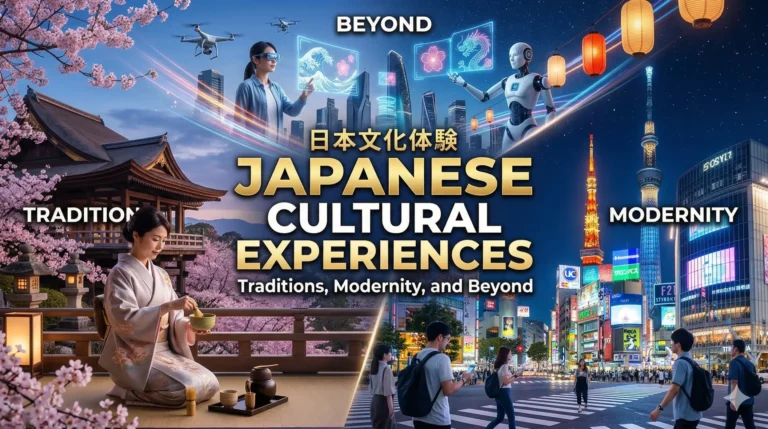
Asakusa’s charm comes from its perfect juxtaposition of the old and the new, with the towering Tokyo Skytree dominating the skyline just across the Sumida River.
Tokyo Skytree: A View from the Top
While technically in the neighboring Sumida district, the Tokyo Skytree is inextricably linked to the Asakusa experience. This broadcasting tower was completed recently and is one of Tokyo’s top attractions and offers stunning panoramic views. Take a peek from the top observation deck for a full, incredible view of the city. You can also enjoy shopping and dining at the adjacent Tokyo Solamachi shopping centre. You can take the subway or walk across the river to get there. The view from the Skytree at night is super impressive, showing us the entire city lit up. We advise booking tickets in advance to avoid lines and for getting the best deal.
- Unique Photo Spot: Look out for the Asahi Beer Tower and the golden sculpture known as the “Golden Poo” (Asahi Flame) from the Skytree or the river bank. It is a quirky piece of modern architecture that contrasts sharply with the traditional temples. You can also see the full layout of the temple grounds from the high floors.
Sumida River and Water Bus Cruise
Take a walk through Sumida Park, especially beautiful during the spring cherry blossom (sakura) season, and enjoy the views of the Sumida River. From the pier, you can take a relaxing Sumida River Cruise on a water bus that will take you to another popular area of Tokyo, such as Odaiba and Hamarikyu Gardens. It’s a great way to see the city and the iconic Asahi Beer Tower building from the water. Our tip is to take the cruise at sunset for truly magical views of the skyline. The riverside area is a huge draw for tourists. The boat rides offer a nice respite from walking and allow you to see the city from a different perspective.
Finding the Quirky: Don Quijote and the Asakusa Underground
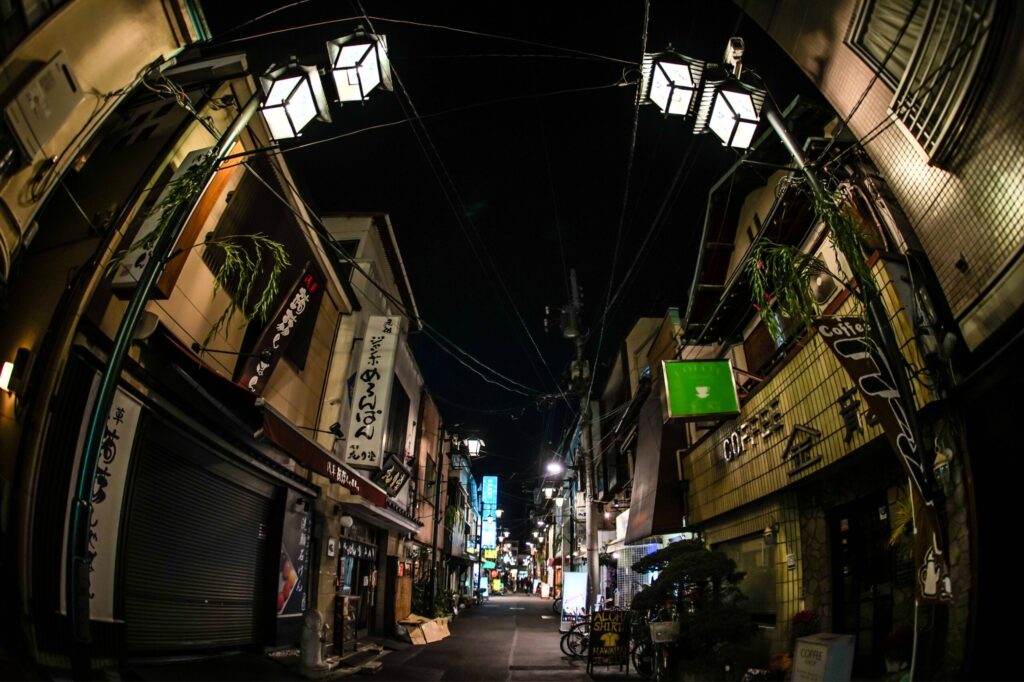
For a totally different shopping experience, check out Don Quijote (Donki) Asakusa store, an eccentric, multi-floor department store where you can find everything and anything, from snacks and cosmetics to costumes and quirky goods. It’s a great place for last-minute souvenir shopping. Also, if you’re looking for a hidden gem, try to find the small, retro Asakusa Underground Shopping Street for a trip back to the 1950s. Inside here, you will feel like you have gone back in time, experiencing an older, less polished side of Tokyo. It was said to be the first underground mall in Japan, which gives it historic significance. You can literally walk under the traffic above you.
Deepening Your Cultural Experience
The true value of Asakusa lies in the opportunity to experience its rich culture and history firsthand. Don’t just look at the sights—get involved! We know you will love these unique activities. Each one is worth the time and effort required.
Matsuchiyama Shoden and Imado Shrine: Hidden Gems
Beyond Sensoji, Asakusa is home to several small, unique shrines and temples. Matsuchiyama Shoden is a serene Buddhist temple famous for the numerous carvings of radishes (radish) left by worshipers—a symbol of spiritual purity. It is a peaceful place to visit and offers a nice break from the busy temple crowds. Imado Shrine, on the other hand, is known as a shrine for “lucky couples” and is one of the places said to be the birthplace of the maneki/neko (beckoning cat) statue. If you love cats or are traveling as a couple, this is a must-see spot. These three spots offer a quiet, different side of Asakusa, where you may feel more connected to real local life. Behind each shrine is a fascinating story that you can read up on.
Exploring Traditional Japanese Tea and Wagashi
Tea, particularly matcha, is a cornerstone of Japanese culture. You can find several traditional tea rooms and coffee shops near Sensoji. Stop inside for a taste of authentic matcha and sweet wagashi (Japanese sweets). It’s a great way to keep your energy up and take a break from the busy streets. Look for a local shop that sells high-quality tea to take home as a gift. Some shops even offer a mini tea ceremony experience.
Participating in a Traditional Cultural Workshop
To truly connect with Japanese culture, consider participating in a hands-on workshop. Many places in and around Asakusa offer cultural services and activities such as:
- Wagashi (Japanese Confectionery) Making: Learn to craft beautiful traditional Japanese sweets. This is a delicious way to learn about Japanese aesthetics.
- Calligraphy (Shodo): Try your hand at the art of Japanese brush writing. You will find that it is a very calm and focused activity.
- Ukiyo-e (Woodblock Print) Making: Discover the historical art form popular during the Edo period. This art was what influenced Western artists like Van Gogh and Monet.
These experiences allow you to not only learn about but also actively engage with the traditions of Japan. You will also have something to take home with you at the end to look back fondly on.
The Hidden World of Local Festivals (Matsuri)
Asakusa is famous for its events and festivals. The most famous is the Sanja Matsuri in May, which is one of Tokyo’s most energetic and exciting events, featuring massive portable shrines (mikoshi) carried throughout the streets. There were also smaller festivals throughout the year, including the Hozuki Ichi (Ground Cherry Fair) in July and the Tori no Ichi (Rooster Market) in November. Check the official website of Sensoji ji for the most up-to-date information.
Kaguwa: The Ultimate Japanese Entertainment Experience – A Must-See
For those looking to end their Asakusa day with an explosion of Japanese entertainment, we highly recommend a visit to Asakusa Kaguwa. This show is a world-class production that you won’t find anywhere else in the city.
Asakusa Kaguwa is a captivating Japanese-style show theater located just a 2-minute walk from Asakusa Station. It offers a spectacular, non-verbal 60-minute show featuring professional performers dressed as glamorous oiran (courtesans), elegant geisha, and formidable samurai warriors. The show is designed to create an unforgettable magical experience. This traditional and innovative Japanese entertainment show transcends the language barrier, making it an incredible experience for every visitor, regardless of where they are from. Experience a powerful blend of traditional dance and thrilling samurai sword fighting on a magnificent stage.
What makes Kaguwa unique? It is not a museum piece; it is a living, breathing example of Japanese performing arts that combines the beauty of traditional kabuki and geisha dances with modern staging, lighting, and music. It’s a fusion that appeals to the modern audience while still respecting the roots of the culture. The show runs until late, making it the perfect thing to do before heading back to your hotel. The performers are of the highest caliber, ensuring you get a truly memorable hour of entertainment. You can find food and drink inside the establishment to enjoy before the show begins. It is the perfect way to end your trip and see the spirit of Japan in action.
Don’t just see the sights of Asakusa—experience the heart of Japanese performing arts at Kaguwa! You can book your ticket online to secure your seat.
Asakusa Travel Tips and FAQs
How to get to Asakusa?
Asakusa station is easily accessible from all over Tokyo. You can get there via the Ginza Subway Line, the Tobu Skytree Line, or the Toei Asakusa Line. It is a very well-connected area for transport. If you are going from Shinjuku or Akasaka, a simple public transport transfer on the subway will get you here. For those coming from Narita or Haneda Airport, the Access Express train on the Toei Asakusa Line provides a direct route. We think the easiest means of transport is the subway.
When is the best time to visit Asakusa?
The best time to walk Nakamise and see Sensoji Temple is early in the morning before the public crowds arrive, especially during peak travel seasons. The main temple is always open, but the stalls on Nakamise-dori usually open around 9 or 10 a.m. So plan your day accordingly. Please know that this area gets very busy on weekends and during major events. If you can, leave your visit for a weekday.
Where can I eat the best sushi nearby?
While Asakusa is famous for eel (unagi) and tempura, you can find good sushi restaurants in the side streets. Look for smaller, locally owned shops for the best taste and experience. The Ginza line can also be used to travel to Tsukiji or Ginza for even more high-end sushi options. We recommend using a local guide or asking at your hotel for specific restaurant suggestions.
Where should I stay near Asakusa?
Asakusa offers a good range of accommodation, from luxury hotels with Skytree views to budget-friendly hostels and capsule hotels. Staying nearby allows you to enjoy the night atmosphere of Hoppy Street and get to the temple grounds early. You could also stay in nearby Ueno or Marunouchi for another experience.
How about a relaxing break?
If you feel like a bit of hot spring relaxation, you can search for a local sento (bath house) or onsen (hot spring). The number of traditional bathhouses is limited, but they are worth it.
What about shopping beyond Nakamise?
For a different shopping level, you can head to Ueno or Akihabara on the nearby subway lines. These centers offer a wider group of services and goods.
Conclusion: Your Asakusa Adventure Awaits
Asakusa is a vibrant, living piece of Japan’s history, packed with things to do for each type of traveler. From the spiritual calm of Sensoji Temple and the lively atmosphere of the shopping streets to the modern heights of the Skytree and the unique cultural experiences, your day in Asakusa is sure to be one of the top highlights of your trip to Tokyo. Remember to check out the local food and finish your day with the unforgettable Oiran, Geisha, and Samurai show at Asakusa Kaguwa for the ultimate Japanese cultural immersion!
We sincerely hope this guide helps you make the most of your time here in this wonderful city. For any questions, do not hesitate to contact us.
References
- Asakusa Kaguwa Official Website
- Japan-guide.com – Asakusa
- Tokyo Cheapo – Things To Do in Asakusa
- PlanMyJapan – Asakusa, Tokyo – 33 Things To Do Guide + Photos 2025
- Go Tokyo – A guide to Asakusa – an area of true Japanese tradition