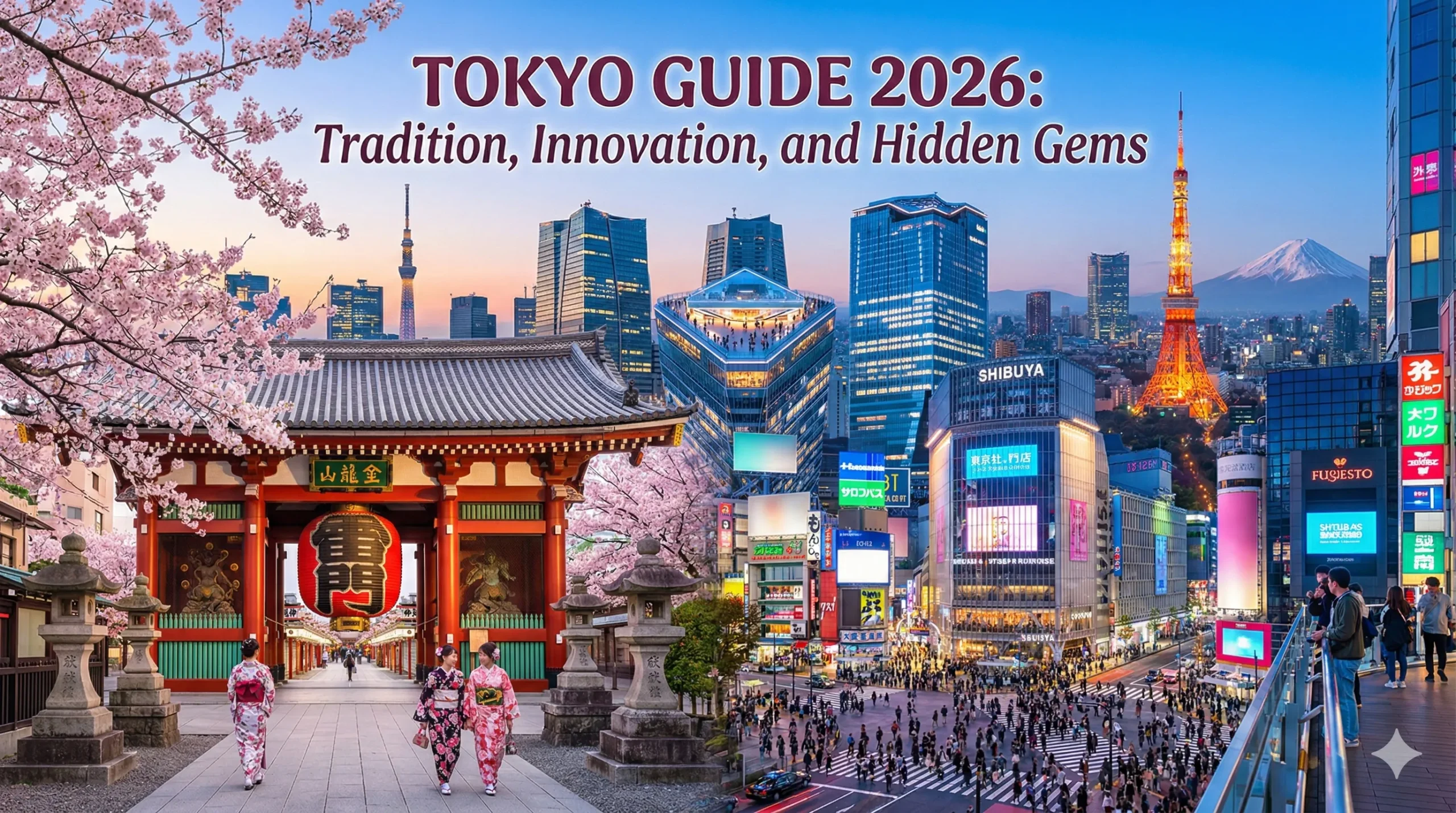
Tokyo is a city of endless layers. It is a place where neon-lit skyscrapers sit comfortably next to centuries-old shrines, and where the world’s most efficient train system transports you to quiet, moss-covered gardens.
Below is your expanded guide to the essential cultural experiences, modern marvels, and culinary adventures for 2026.
Must-Try Cultural Experiences and Entertainment
1. Witness a Japanese Cabaret Show at Asakusa Kaguwa
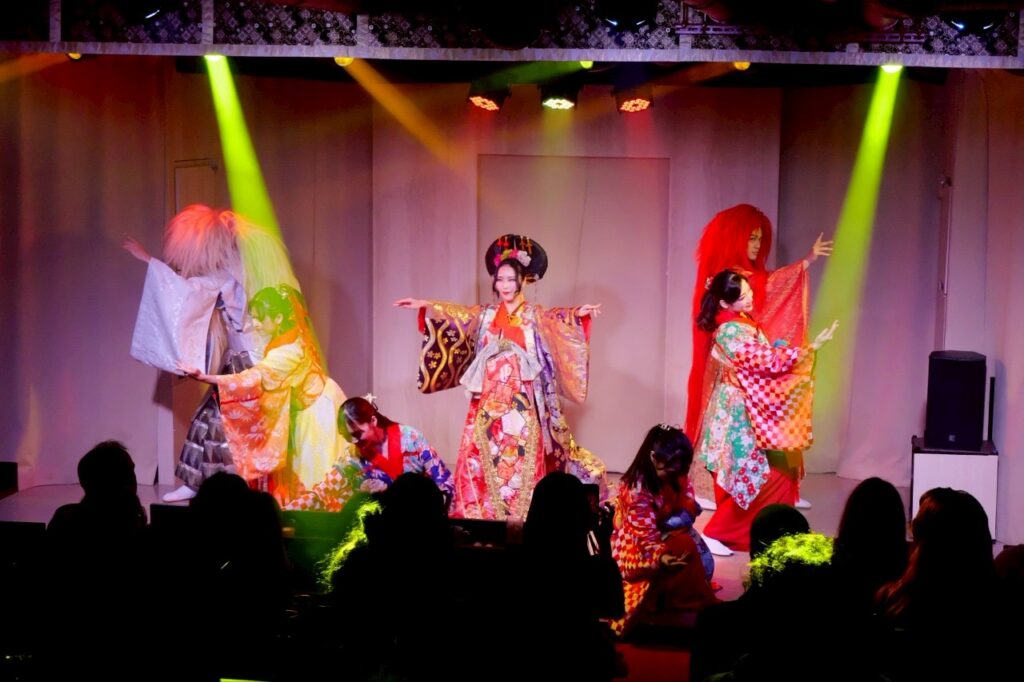
If you want to experience the soul of Japanese entertainment without a language barrier, Asakusa Kaguwa is a top recommendation. Located just a 6-minute walk from Asakusa Station, this theater offers a breathtaking 60-minute show that blends tradition with modern flair.
You will see professional performers dressed as elegant Oiran (courtesans), graceful Geisha, and powerful Samurai warriors. The performance includes stunning dances and intense samurai sword fighting (Kenbu). Since the content of the show is non-verbal, it is perfect for international guests of all ages. It is a rare chance to see high-level traditional arts in an accessible, high-energy theater setting.
Insider Tip: The theater offers various plans. Including those with meals and unlimited drinks before the lights go down. It turns the viewing into a full dinner-theater experience.
2. Explore the Historic Senso-ji Temple
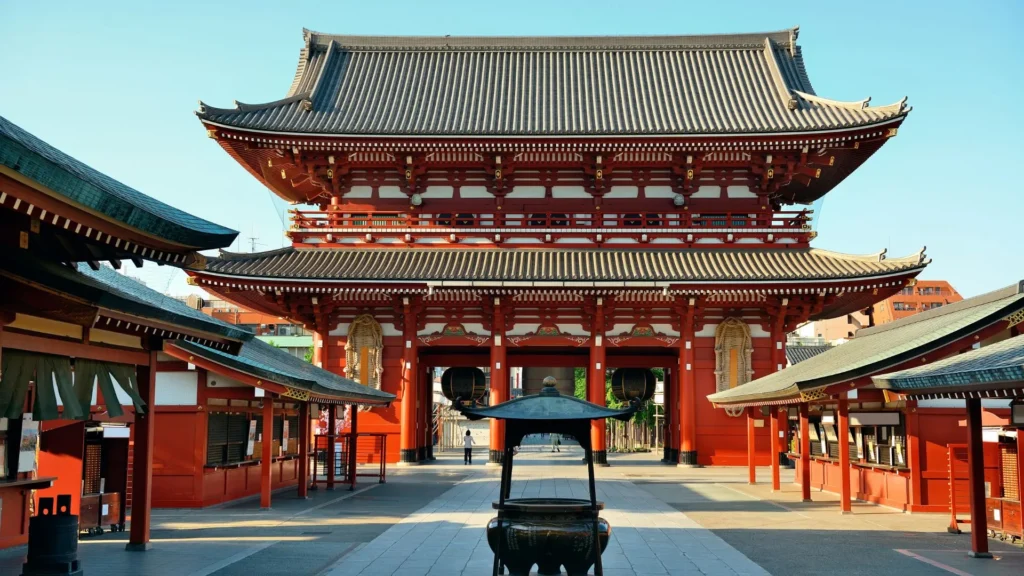
Right around the corner from the theater is Senso-ji, Tokyo’s oldest temple (founded in 628 AD). Walking through the Kaminarimon Gate (Thunder Gate) with its massive red lantern is a rite of passage for any traveler. Be sure to explore Nakamise-dori, the shopping street leading to the temple.
- Must-Try Snacks: Look for ningyo-yaki (small sponge cakes with red bean filling) shaped like pagodas and doves, or age-manju (fried bun).
- The Ritual: Before approaching the main hall, stop at the Chozuya (water pavilion) to cleanse your hands. Also, waft the smoke from the large incense burner towards your body; believed to have healing powers.
- Omikuji: Try your luck with an Omikuji (paper fortune) for 100 yen. If you get a “bad fortune,” tie it to the designated metal wires to leave the bad luck behind.
3. Watch a Professional Sumo Match
Sumo is more than a sport; it is a sacred ritual connected to the Shinto religion. If your trip coincides with a tournament (Basho) at the Ryogoku Kokugikan (held in January, May, and September in Tokyo), booking tickets early is essential. Watching these athletes in person provides a profound look into Japanese culture and discipline.
- If You Miss a Tournament: Visit a “Sumo Stable” (Heya) to watch morning practice (Asageiko). This requires strict silence and often a reservation through a tour guide, but it offers an intimate look at the grueling training.
- Eat Like a Wrestler: Afterward, visit a restaurant in Ryogoku to eat Chanko Nabe, the protein-rich hot pot stew that gives sumo wrestlers their strength.
Modern and Unique Tokyo Activities
4. Immerse Yourself in Digital Art at teamLab Borderless
Tokyo is at the forefront of the digital art world. The teamLab Borderless museum in the newly developed Azabudai Hills complex (reopened and updated for 2025-2026) is an astonishing manifestation of light and color. It is a museum without a map, where artworks move out of rooms and communicate with other works, blurring the boundaries between the art and the visitor.
- Don’t Miss: The En Tea House inside the museum. Here, digital flowers bloom inside your teacup as long as there is tea in it. It is a poetic blend of tea ceremony and technology.
5. Take in the Views from Shibuya Sky
For the best panoramic view of the city, head to Shibuya Sky. Located atop the Shibuya Scramble Square building, this open-air observation deck offers a 360-degree view of Tokyo from 229 meters up. On a clear day, you can see all the way to Mount Fuji. It is particularly magical at sunset when the city lights begin to flicker on.
- Photo Op: The “Sky Edge” corner offers a glass barrier that makes it look like you are floating over the city. Be prepared to queue for this specific photo spot!
6. Experience the Shibuya Crossing
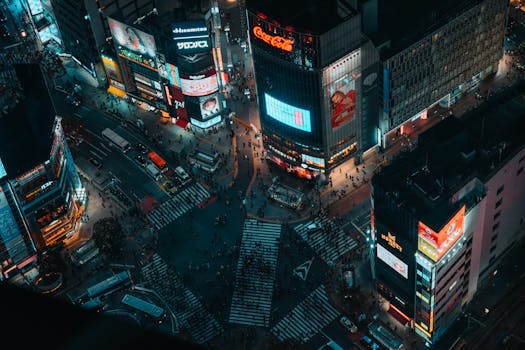
While you are in the area, you must walk across the world-famous Shibuya Crossing. It is the busiest intersection in the world, with up to 3,000 people crossing at a single green light.
- The Hachiko Statue: Before crossing, visit the statue of the loyal dog Hachiko at the station exit. It is the city’s most famous meeting point.
- Observation Point: For a great photo, head to the Mag’s Park rooftop (on the magnet by SHIBUYA109 building) or the 2nd-floor seating of the Starbucks in Tsutaya to watch the sea of people move in perfect synchronization.
7. NEW: Step into Magic at The Making of Harry Potter
Opened recently in Toshima Ward, the Warner Bros. Studio Tour Tokyo is the largest indoor Harry Potter attraction in the world. Unlike the theme parks, this is a deep dive into the filmmaking process, featuring sets (like the Great Hall and Diagon Alley) and props. It is a must for film fans and takes about 4 hours to explore fully.
Foodie Activities: A Taste of Tokyo
8. Order Ramen from a Vending Machine
For a quintessential local experience, visit a ramen shop in Shinjuku or Akihabara. Many shops use a vending machine system where you purchase a ticket for your meal before sitting down. It is fast, efficient, and usually results in some of the hot, delicious noodles you will ever taste.
- Varieties to Try: Don’t just stick to Tonkotsu (pork bone). Try Tsukemen (dipping noodles) where the cold noodles are served separately from a rich, hot broth, or Shoyu (soy sauce) ramen for a lighter, classic taste.
9. Visit a Department Store Food Basement (Depachika)
Head to the basement of a major department store like Ginza Mitsukoshi or Isetan Shinjuku. These food halls, known as depachika, are a paradise for food lovers. You will find everything from exquisite wagashi (Japanese sweets) to high-end bento boxes and seasonal fruits (like the famous white strawberries).
- Budget Tip: If you visit after 7:30 PM, you will often find staff placing discount stickers (20%, 50% off, etc.) on fresh bento boxes and sushi to clear stock for the day.
10. Fresh Sushi at Toyosu Market
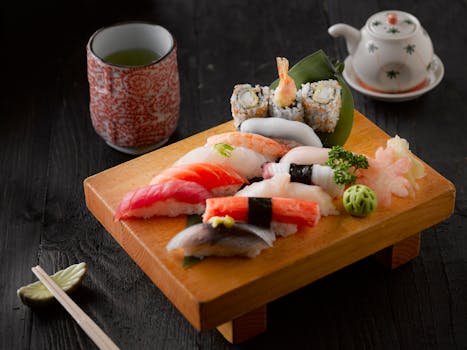
While the famous inner market moved from Tsukiji, Toyosu Market is now the place where early morning tuna auctions happen. Tsukiji is now where you can visit restaurants for the freshest sushi breakfast imaginable, with fish sourced by the chefs from the early morning markets.
- The “Sushi Dai” Challenge: Famous shops like Sushi Dai or Daiwa Sushi often have queues starting at 4:00 AM. If you aren’t an early riser, there are plenty of excellent, less crowded sushi bars on the upper floors of the market complex.
11. NEW: The Konbini (Convenience Store) Culture
No trip to Tokyo is complete without a late-night run to a 7-Eleven, Lawson, or FamilyMart.
- Must-Haves: Onigiri (rice balls), Egg Salad Sandwiches (famously fluffy), and Famichiki (hot fried chicken near the register). It is the ultimate budget-friendly meal.
Best Neighbourhoods to Wander
12. Harajuku: Fashion and Shrines
Start your morning in the serene Meiji Jingu Shrine, a lush forest in the middle of the city. Then, walk over to Takeshita Street for the complete opposite experience: vibrant street fashion, rainbow-colored cotton candy, and the latest youth trends.
- Contrast: After the chaos of Takeshita Street, walk one block over to Omotesando Avenue. Known as the “Champs-Élysées of Tokyo,” it features high-end architecture, designer brands, and sophisticated cafes.
13. Akihabara: The Electric Town
Akihabara is the heart of anime, manga, and gaming culture. Even if you aren’t a fan, the sheer scale of the multi-story electronics shops (like Yodobashi Camera) and themed cafes is worth seeing.
- Gachapon: Visit a “Gachapon Hall” lined with hundreds of capsule toy machines. From miniature furniture to anime figures, these make for cheap and unique souvenirs.
14. Shimokitazawa: The Vintage Hub
If you prefer a slower pace, Shimokitazawa is famous for its vintage clothing stores, small theaters, and cozy coffee shops. It has a “real local” feel that provides a nice break from the skyscrapers of Shinjuku.
- New Development: Explore the Mikan Shimokita complex under the train tracks, which houses trendy eclectic restaurants and bars while maintaining the area’s bohemian vibe.
15. Shinjuku Golden Gai and Omoide Yokocho
For nightlife that feels like a time capsule, visit Golden Gai. It consists of over 200 tiny bars (some seating only 4 people) packed into narrow alleys. Alternatively, visit Omoide Yokocho (Memory Lane) near Shinjuku station for smoky yakitori skewers and draft beer in a lantern-lit alleyway.
📝 Essential Tips for Your Tokyo Trip
- Transport (IC Cards): Get an IC card (like Suica or Pasmo) or add the mobile version to your iPhone/Android wallet. It works for almost all trains, buses, and even vending machines. It makes the ride through the complex subway system much smoother.
- Cash is Still King (Sometimes): While more places accept contactless payments in 2026, many small ramen shops, ticket machines, and temples still require yen (cash). Always carry about 10,000 to 20,000 yen in mixed bills.
- Reservations: Popular activities like the Ghibli Museum, teamLab, Shibuya Sky, and shows at Asakusa Kaguwa often sell out weeks in advance. Book online as soon as tickets are released (usually 30 days prior).
- Stay Connected: Rent a pocket Wi-Fi or buy an eSIM at Haneda or Narita airport. Google Maps is essential for navigating train exits and bus times.
- Trash Disposal: You will notice a lack of public trash cans. In Japan, you are expected to carry your trash with you until you find a bin (usually at convenience stores or train stations) or take it back to your hotel.
- Tax-Free Shopping: Bring your passport with you. If you spend over 5,500 yen at major stores (Uniqlo, Don Quijote, Department Stores), you can get the 10% consumption tax refunded instantly at the counter.
- Luggage Forwarding: Use “Takkyubin” (Yamato Transport) to send your large luggage from the airport to your hotel, or between hotels. It saves you from dragging heavy bags through crowded stations.
❓ Q&A: Common Questions about Tokyo Activities
Q: How many days do I need in Tokyo?
A: To see the main highlights without feeling rushed, 4 to 5 days is recommended. This allows you to explore different districts like Shinjuku, Shibuya, and Asakusa at a comfortable pace. If you plan to visit Disney Resort or take a day trip to Hakone/Mt. Fuji, consider extending your trip to at least 7 days.
Q: Is Tokyo expensive for tourists?
A: It can be, but there are many free activities. Visiting temples, parks like Ueno or Yoyogi, and exploring neighborhoods costs nothing. Eating at local ramen shops, beef bowl chains (like Yoshinoya), or buying meals at convenience stores (konbini) is also very affordable. Lunch sets are often significantly cheaper than dinner menus at the same restaurants.
Q: Is it easy to get around if I don’t speak Japanese?
A: Yes. Most signs in the subway and major tourist areas are in English. Apps like Google Maps are incredibly accurate for train schedules, platform numbers, and walking directions. Translation apps (like Google Translate or DeepL) can help you read menus or communicate with staff.
Q: When is the best time to visit?
A: Late March to early April offers the famous Cherry Blossoms (Sakura), though it is very crowded. October to November offers pleasant weather and stunning autumn leaves. Summer (July-August) can be extremely hot and humid, so be prepared if you travel then.
Conclusion
Tokyo is a city that rewards curiosity. Whether you are watching a samurai duel at Asakusa Kaguwa, lost in a huge digital forest of light at teamLab, or simply enjoying a bowl of ramen in a quiet alley, the city offers a unique blend of energy and tradition. As you plan your 2026 trip, make sure to balance the famous landmarks with unique experiences that let you dive deeper into Japanese culture.
If you are looking for an unforgettable night in Tokyo, don’t miss the chance to visit Asakusa Kaguwa. It is the perfect way to wrap up a day of sightseeing with high-quality entertainment. Be sure to share this post with your travel companions!
Footnotes and Sources:
- Asakusa Kaguwa Official Website: https://www.asakusa-kaguwa.com/
- Japan Guide – Tokyo City Guide: https://www.japan-guide.com/e/e2164.html
- TripAdvisor – Top Things to Do in Tokyo: https://www.tripadvisor.com/Attractions-g298184-Activities-Tokyo_Tokyo_Prefecture_Kanto.html
teamLab Borderless Official Site: https://www.teamlab.art/e/borderless-azabudai/